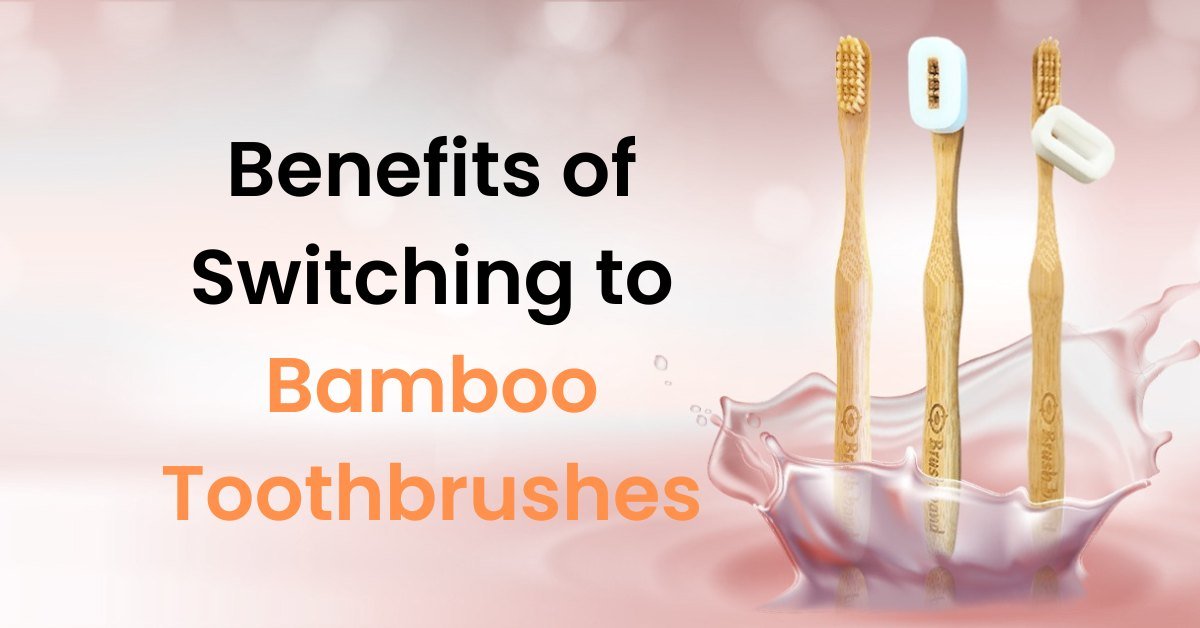
Bamboo toothbrushes have become increasingly popular in recent years as people look for more sustainable and eco-friendly alternatives to traditional plastic toothbrushes. But are bamboo toothbrushes actually good for your teeth? In this article, we will explore the benefits and drawbacks of bamboo toothbrushes and their impact on oral health.
Benefits of Bamboo Toothbrushes
Eco-friendly
One of the primary benefits of bamboo toothbrushes is their eco-friendliness. Unlike plastic toothbrushes, which take hundreds of years to decompose and contribute to plastic pollution, bamboo toothbrushes are made from a renewable resource that can be composted or recycled.
Natural Material
Bamboo toothbrushes are also made from a natural material that does not contain harmful chemicals or toxins. This makes them a safer alternative for people who are concerned about the health risks associated with plastic toothbrushes.
Antibacterial Properties
Bamboo has natural antibacterial properties, which means that bamboo toothbrushes are less likely to harbor bacteria than plastic toothbrushes. This can help to reduce the risk of infection and promote better oral health.
Durability
Bamboo toothbrushes are also durable and long-lasting, which means that they do not need to be replaced as frequently as plastic toothbrushes. This can help to save money in the long run and reduce waste.
Drawbacks of Bamboo Toothbrushes
Soft Bristles
One of the drawbacks of bamboo toothbrushes is that they typically come with soft bristles, which may not be suitable for people with more advanced gum disease or sensitivity. Harder bristles may be needed to effectively remove plaque and prevent gum recession.
Hygiene
Another potential issue with bamboo toothbrushes is hygiene. Because they are made from a natural material, they may be more prone to mold or bacteria growth if they are not properly cared for. It is important to rinse and dry your bamboo toothbrush thoroughly after each use and replace it every three to four months.
Availability
Bamboo toothbrushes may also be less readily available than plastic toothbrushes, which can make it difficult to find them in stores or online. This may make it less convenient for some people to switch to bamboo toothbrushes.
Tips for Using Bamboo Toothbrushes
Choose the Right Bristles
If you have gum disease or sensitivity, you may need to choose a bamboo toothbrush with harder bristles to effectively remove plaque and prevent gum recession. Look for toothbrushes with medium or hard bristles and consult with your dentist if you are unsure.
Practice Good Hygiene
To prevent mold or bacteria growth, it is important to rinse and dry your bamboo toothbrush thoroughly after each use. You may also want to store it in a dry, well-ventilated area to prevent moisture buildup.
Replace Your Toothbrush Regularly
Bamboo toothbrushes should be replaced every three to four months, or sooner if the bristles become frayed or worn. This can help to ensure that your toothbrush is clean and effective at removing plaque and bacteria.
Look for Sustainable Brands
When choosing a bamboo toothbrush, look for brands that prioritize sustainability and eco-friendliness. Some brands may also offer recycling programs or use biodegradable packaging to further reduce waste.
Conclusion
In summary, bamboo toothbrushes have several benefits for both the environment and oral health. They are eco-friendly, made from a natural material, have antibacterial properties, and are durable. However, they may not be suitable for people with advanced gum disease or sensitivity and require proper care to prevent hygiene issues.