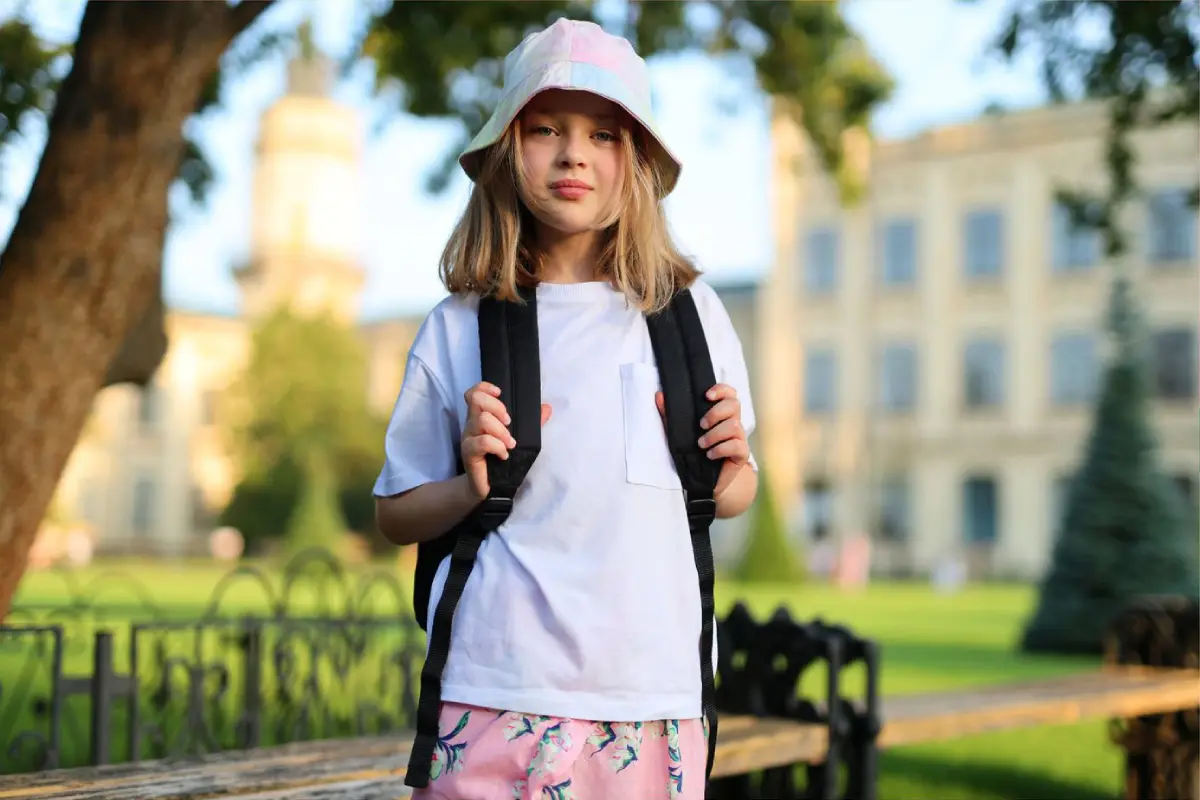
Fashion trends do not emerge in isolation. Each generation inherits cultural, technological, and social influences from the one before it, adapting them to new contexts. Generation Alpha, the cohort born roughly from the early 2010s onward, is beginning to develop recognizable clothing preferences shaped largely by Generation Z fashion. As the first generation to grow up fully immersed in digital environments, Gen Alpha clothing style reflects a combination of Gen Z aesthetics, evolving technology, and early exposure to global culture.
While Gen Alpha is still young, early patterns in their clothing choices offer insight into how fashion may evolve over the next decade. Understanding how gen z fashion influences Generation Alpha helps explain broader shifts in the fashion industry, consumer behavior, and cultural expression across the United States and globally.
Understanding Generation Alpha and Its Cultural Context
Generation Alpha represents a demographic shaped by rapid technological advancement, digital-first communication, and constant access to global media. Unlike previous generations, Gen Alpha encounters fashion imagery, branding, and cultural trends from early childhood.
Who Is Generation Alpha?
Generation Alpha includes children born after Generation Z, typically starting around 2010. Many are still in school or early developmental stages, which means their clothing choices are often influenced by parents, guardians, and educational environments. However, exposure to digital platforms allows them to develop personal preferences earlier than previous generations.
A Digital-First Generation From Birth
Gen Alpha has grown up alongside smartphones, streaming platforms, and algorithm-driven content. This environment accelerates trend awareness and familiarity with fashion aesthetics previously associated with older age groups. As a result, gen alpha clothing style often reflects visual cues borrowed from Gen Z fashion rather than traditional children’s apparel norms.
How Gen Z Fashion Shapes Gen Alpha Clothing Style
Generation Z serves as a direct influence on Generation Alpha, both culturally and stylistically. Older siblings, social media creators, and digital role models play a significant role in shaping early fashion awareness.
Gen Z as the Cultural Bridge Generation
Gen Z acts as a bridge between millennial parenting styles and Gen Alpha consumption habits. Many Gen Alpha children are raised by Millennials while observing Gen Z fashion through online platforms. This creates a layered influence where comfort, individuality, and digital expression intersect.
Shared Values Reflected in Clothing Choices
Values associated with gen z fashion—such as authenticity, inclusivity, and comfort—are increasingly visible in Generation Alpha clothing. Relaxed silhouettes, gender-neutral designs, and expressive colors mirror Gen Z preferences, adapted for younger wearers.
Early Characteristics of Gen Alpha Clothing Style
Although still developing, several characteristics are emerging within gen alpha clothing style.
Comfort-First Design and Practicality
Comfort plays a central role in Generation Alpha clothing. Soft fabrics, flexible fits, and adaptable designs reflect lifestyle patterns that prioritize movement and ease. This mirrors gen z clothing trends that favor relaxed fits and functional wear.
Influence of Casual and Street-Inspired Fashion
Streetwear-inspired elements commonly seen in gen z fashion—such as hoodies, sneakers, and casual layering—are increasingly present in children’s apparel. These elements blur the lines between youth fashion and adult casual wear.
Simplified but Expressive Aesthetics
While Gen Alpha clothing tends to avoid overly complex designs, expressive graphics and color accents allow for individuality. This simplified expression reflects early adoption of Gen Z’s preference for personal style over rigid trends.
The Role of Digital Media in Shaping Gen Alpha Fashion
Digital media plays a foundational role in how Generation Alpha perceives clothing and style.
Exposure to Fashion Through Screens
Unlike previous generations, Gen Alpha is exposed to fashion imagery through video content rather than print or in-store experiences. Social platforms, gaming environments, and streaming services introduce fashion as part of storytelling and entertainment.
Influence of Gen Z Creators and Older Youth Culture
Gen Z creators frequently shape fashion norms that trickle down to younger audiences. Even when content is not directly targeted at children, visual exposure influences preferences and expectations around clothing.
Sustainability and Ethical Awareness in Gen Alpha Clothing
Sustainability is an emerging factor in how Generation Alpha clothing is designed and marketed.
Early Exposure to Environmental Messaging
Many Gen Alpha children are raised in households where sustainability is discussed openly. This awareness influences purchasing decisions made by parents and shapes early perceptions of responsible consumption.
Connection to Gen Z’s Ethical Fashion Influence
Gen Z fashion emphasizes ethical sourcing and transparency. These values influence how brands approach Generation Alpha clothing, encouraging durability, reuse, and environmentally conscious materials.
Gender-Neutral Fashion and Identity Expression
One of the most significant influences of gen z fashion on Gen Alpha is the normalization of gender-neutral clothing.
Moving Beyond Traditional Gender Categories
Generation Alpha clothing increasingly avoids rigid gender distinctions. Unisex designs, neutral color palettes, and flexible sizing reflect cultural shifts introduced by Gen Z.
Encouraging Individual Expression From a Young Age
Rather than enforcing predefined style rules, modern children’s fashion encourages exploration. This aligns with Gen Z’s broader approach to self-expression and inclusivity.
How the Fashion Industry Is Adapting to Generation Alpha
The fashion industry is beginning to respond to Generation Alpha as a future consumer group.
Design Strategies Influenced by Gen Z Trends
Brands often test gen z fashion concepts before adapting them for younger audiences. This approach ensures visual relevance while maintaining age-appropriate design standards.
Marketing to Parents While Appealing to Children
Fashion marketing for Gen Alpha balances parental concerns such as quality and safety with children’s interest in visual appeal. This dual audience approach reflects broader industry shifts.
Global Influence on Gen Alpha Clothing Style
While the United States remains a primary influence, Gen Alpha fashion is shaped by global exposure.
Cross-Cultural Fashion Visibility
Digital platforms allow Gen Alpha to encounter styles from different regions early. This global exposure creates more diverse fashion influences than previous generations experienced.
Regional Adaptations of Gen Z Fashion
Although global trends influence gen alpha clothing style, local culture and climate continue to shape how these styles are adopted worldwide.
Long-Term Impact of Gen Alpha on Future Fashion Trends
Generation Alpha is expected to influence fashion beyond childhood.
Early Fashion Awareness and Lifelong Preferences
Early exposure to fashion choice may result in stronger personal style identities later in life. This could accelerate trend cycles and reshape how fashion loyalty develops.
How Gen Alpha May Redefine Fashion Norms
As Generation Alpha matures, its fashion preferences may further emphasize adaptability, ethical awareness, and digital integration, extending Gen Z’s influence while creating new norms.
Relationship Between Gen Z Fashion and Gen Alpha Style Development
Gen Z fashion serves as both inspiration and foundation for Generation Alpha clothing.
Continuity Rather Than Replacement
Rather than replacing gen z fashion trends, Gen Alpha is likely to adapt and refine them. This continuity ensures long-term relevance of Gen Z-driven aesthetics.
The Evolution of Generational Fashion Influence
Fashion influence increasingly flows horizontally through digital culture rather than vertically through age-defined trends. This shift allows Gen Alpha to engage with older youth fashion earlier than ever before.
Challenges and Considerations in Gen Alpha Fashion Development
Despite growing influence, several challenges remain.
Age-Appropriate Design and Messaging
Balancing maturity of design with age-appropriate themes is essential. Fashion brands must avoid prematurely adult styling while supporting expression.
Responsible Media Exposure
Managing how fashion content reaches Gen Alpha remains an ongoing concern for parents, educators, and brands alike.
The Future of Gen Alpha Clothing Style
Gen Alpha clothing style will continue evolving alongside technology, culture, and societal values.
Integration of Digital and Physical Fashion
Digital customization and interactive clothing experiences may become more common as Generation Alpha grows older.
Continued Influence of Gen Z Fashion Values
Comfort, inclusivity, and sustainability—core to gen z fashion—are likely to remain central pillars of Gen Alpha fashion identity.
FAQs
What is Gen Alpha clothing style?
Gen Alpha clothing style refers to the emerging fashion preferences of Generation Alpha, shaped by Gen Z fashion, digital media exposure, and early cultural awareness.
How does Gen Z fashion influence Gen Alpha?
Gen Z fashion influences Gen Alpha through shared digital platforms, older siblings, creators, and values such as comfort, inclusivity, and sustainability.
Is Gen Alpha fashion different from Gen Z fashion?
Gen Alpha fashion adapts Gen Z aesthetics but simplifies them for age-appropriate design while maintaining similar values and visual elements.
Why is gender-neutral clothing common in Gen Alpha fashion?
Gender-neutral clothing reflects broader cultural shifts toward inclusivity introduced by Gen Z and supported by evolving parental and societal attitudes.
Will Gen Alpha change future fashion trends?
As Gen Alpha matures, its early exposure to fashion may influence faster trend cycles, ethical priorities, and digital fashion integration.
How global is Gen Alpha clothing style?
Gen Alpha clothing style is globally influenced due to early exposure to international content, though regional culture still shapes local adaptations.
Final Takeaway
Gen Alpha clothing style is not forming independently. It is closely connected to gen z fashion, reflecting shared values, digital-first exposure, and evolving cultural norms. As the next generation grows, its fashion identity will likely extend Gen Z’s influence while introducing new expectations around sustainability, inclusivity, and adaptability. Understanding this relationship provides valuable insight into the future of fashion in the United States and beyond.