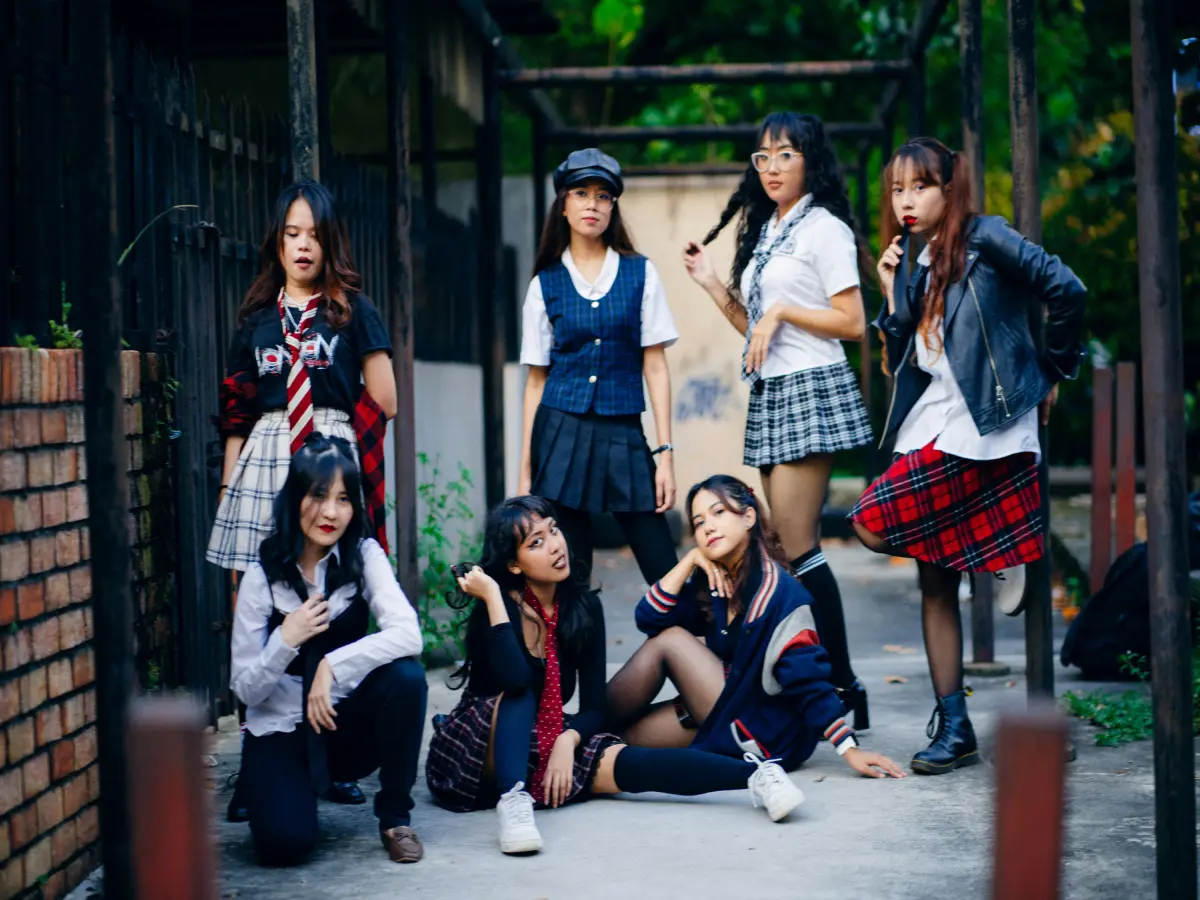
Gen Z women’s fashion reflects a broader cultural shift in how young women engage with clothing, identity, and self-expression. Rather than following fixed trends or seasonal fashion cycles, Generation Z women tend to build personal style systems shaped by comfort, values, and digital influence. In the United States and increasingly worldwide, gen z women’s fashion emphasizes flexibility, individuality, and cultural awareness over traditional ideas of conformity or status dressing.
For many young women, clothing is not only about appearance but also about alignment with personal beliefs and daily lifestyles. Gen z style women often prioritize authenticity, inclusivity, and adaptability, resulting in fashion choices that evolve continuously rather than following rigid definitions. Understanding how Generation Z women approach fashion requires examining cultural influences, shopping behaviors, and the changing role of clothing in everyday life.
What Defines Gen Z Women’s Fashion?
Gen Z women’s fashion is defined less by uniform trends and more by individual interpretation. There is no single aesthetic that represents all young women within Generation Z. Instead, style is shaped by personal identity, social context, and access to global inspiration.
Fashion as Personal Expression Rather Than Rules
For Gen Z women, clothing functions as a tool for expressing mood, values, and identity. Outfits are often curated based on how they feel rather than how closely they align with traditional fashion standards. This approach encourages experimentation with silhouettes, colors, and layering, making gen z women’s fashion highly adaptable and personal.
Comfort and Practicality as Style Foundations
Comfort plays a central role in gen z clothing choices. Many young women prefer relaxed fits, breathable fabrics, and versatile pieces that support active and hybrid lifestyles. This shift has influenced the popularity of oversized tops, loose trousers, and multifunctional wardrobe staples.
Inclusivity and Representation in Style Choices
Diversity and representation strongly influence gen z style women. Exposure to a wide range of cultures and body types through digital media has expanded what is considered fashionable. As a result, Generation Z women often gravitate toward brands and styles that reflect inclusivity rather than narrow ideals.
How Gen Z Women’s Fashion Differs From Previous Generations
Comparing gen z women’s fashion with earlier generations highlights meaningful changes in how young women relate to clothing and trends.
From Trend Adoption to Style Personalization
Previous generations often followed dominant fashion trends promoted by designers or media outlets. In contrast, Gen Z women personalize trends, selecting elements that fit their individual preferences rather than adopting entire looks.
Changing Attitudes Toward Brand Identity
While brand recognition once played a central role in women’s fashion, Gen Z places less emphasis on labels and more on originality and values. Smaller brands, thrifted items, and unbranded clothing frequently appear in gen z women’s outfits.
Redefining Femininity Through Clothing
Gen Z women approach femininity with greater flexibility. Clothing choices may blend traditionally feminine, masculine, or neutral elements depending on context and comfort. This fluidity reflects broader cultural shifts toward self-defined identity.
Core Influences Shaping Gen Z Women’s Style
Several interconnected factors shape how Generation Z women develop their fashion preferences.
Social Media and Digital Inspiration
Platforms such as TikTok, Instagram, and YouTube serve as primary sources of fashion inspiration for Gen Z women. Rather than relying on traditional fashion media, young women observe real people styling outfits in everyday settings, which makes fashion feel more accessible and relatable.
Cultural and Community Influences
Music, art, and online communities play a significant role in shaping gen z women’s fashion. Styles inspired by street culture, creative subcultures, and global trends are often adapted to fit local contexts.
Sustainability and Ethical Awareness
Environmental and ethical considerations influence many Gen Z women’s clothing decisions. Awareness of fast fashion impacts has led to increased interest in second-hand clothing, sustainable materials, and mindful consumption.
Popular Clothing Styles Among Gen Z Women
Gen Z women’s fashion includes a wide range of styles that coexist rather than compete.
Relaxed Silhouettes and Everyday Wear
Oversized sweaters, loose denim, and comfortable dresses are common in gen z women’s fashion. These pieces offer versatility and ease, supporting both casual and semi-formal settings.
Vintage-Inspired and Thrifted Looks
Vintage clothing and thrifted finds allow Gen Z women to build unique wardrobes while supporting sustainability. Mixing older styles with modern pieces is a defining feature of many gen z outfits.
Minimalist and Neutral Aesthetics
Some Gen Z women prefer minimalist wardrobes centered around neutral colors and timeless silhouettes. These styles prioritize longevity and ease of coordination over frequent trend changes.
Expressive and Statement-Driven Outfits
At the same time, expressive outfits featuring bold accessories, layered textures, or distinctive prints remain popular. This duality highlights the diversity within gen z women’s fashion rather than a single dominant aesthetic.
Gen Z Women’s Fashion Trends and Long-Term Direction
While trends shift quickly, certain long-term patterns continue to shape gen z women’s fashion.
Emphasis on Versatile Wardrobes
Young women increasingly favor clothing that can be styled in multiple ways. Versatility supports both sustainability goals and budget-conscious shopping habits.
Shift Toward Conscious Consumption
Gen Z women are more likely to question where clothing comes from and how it is produced. Transparency and ethical practices influence brand trust and purchasing decisions.
Influence of Digital Identity on Style
Online presence and digital self-expression influence how Gen Z women approach fashion. Clothing is often selected with both physical and digital contexts in mind, such as social media sharing.
How Gen Z Women Shop for Clothing
Shopping behaviors offer insight into broader fashion preferences.
Discovery Through Digital Platforms
Gen Z women often discover new clothing through social platforms and peer recommendations rather than traditional advertising. Authentic reviews and real-world styling examples carry significant influence.
Online Shopping and Flexible Retail Models
While online shopping dominates, physical stores remain relevant when they offer engaging or community-oriented experiences. Hybrid shopping models continue to evolve in response to Gen Z expectations.
Values-Driven Purchasing Decisions
Beyond price and appearance, Gen Z women evaluate brands based on ethics, inclusivity, and communication style. These factors increasingly shape long-term brand loyalty.
How to Build a Gen Z Women’s Style Without Following Every Trend
Adopting gen z women’s fashion does not require constant trend participation.
Prioritizing Personal Comfort and Fit
Selecting clothing that aligns with daily routines and comfort preferences forms the foundation of Gen Z style.
Mixing Trends With Timeless Pieces
Combining selective trend elements with timeless wardrobe staples allows for flexibility without excess consumption.
Maintaining a Sustainable Approach to Fashion
Mindful purchasing supports both environmental responsibility and personal style consistency over time.
The Impact of Gen Z Women’s Fashion on the Fashion Industry
Generation Z women influence how brands design, market, and distribute clothing.
Brand Adaptation to Changing Expectations
Fashion brands increasingly emphasize transparency, inclusivity, and community engagement to connect with Gen Z women.
Growth of Independent and Creator-Led Brands
Smaller labels and creator-driven fashion businesses benefit from direct access to Gen Z audiences through digital platforms.
Long-Term Industry Shifts
The values and behaviors of Gen Z women are reshaping fashion norms, influencing everything from design processes to retail strategies.
FAQs
What defines Gen Z women’s fashion?
Gen Z women’s fashion is defined by individuality, comfort, inclusivity, and values-driven clothing choices rather than strict trend adherence.
How is Gen Z women’s style different from Millennials?
Gen Z women prioritize experimentation, relaxed silhouettes, and ethical considerations more than brand loyalty or minimalist aesthetics.
What clothing styles are popular among Gen Z women?
Popular styles include oversized casual wear, vintage-inspired outfits, minimalist wardrobes, and expressive statement pieces.
Why is sustainability important in Gen Z women’s fashion?
Many Gen Z women consider environmental and ethical impacts when choosing clothing, influencing their preference for resale, thrift, and transparent brands.
How do Gen Z women discover fashion trends?
Most Gen Z women discover trends through social media platforms, digital communities, and peer-generated content rather than traditional fashion media.
Can Gen Z women’s fashion be timeless?
Yes. Many Gen Z women focus on versatile and durable clothing that supports long-term wear rather than short-lived trends.
Final Thoughts
Gen Z women’s fashion reflects a generation that values self-expression, adaptability, and conscious decision-making. Rather than following a single definition of style, young women build wardrobes that align with their identities, lifestyles, and values. As these preferences continue to influence the fashion industry, gen z women’s fashion stands as a meaningful indicator of how clothing, culture, and individuality intersect in modern society.