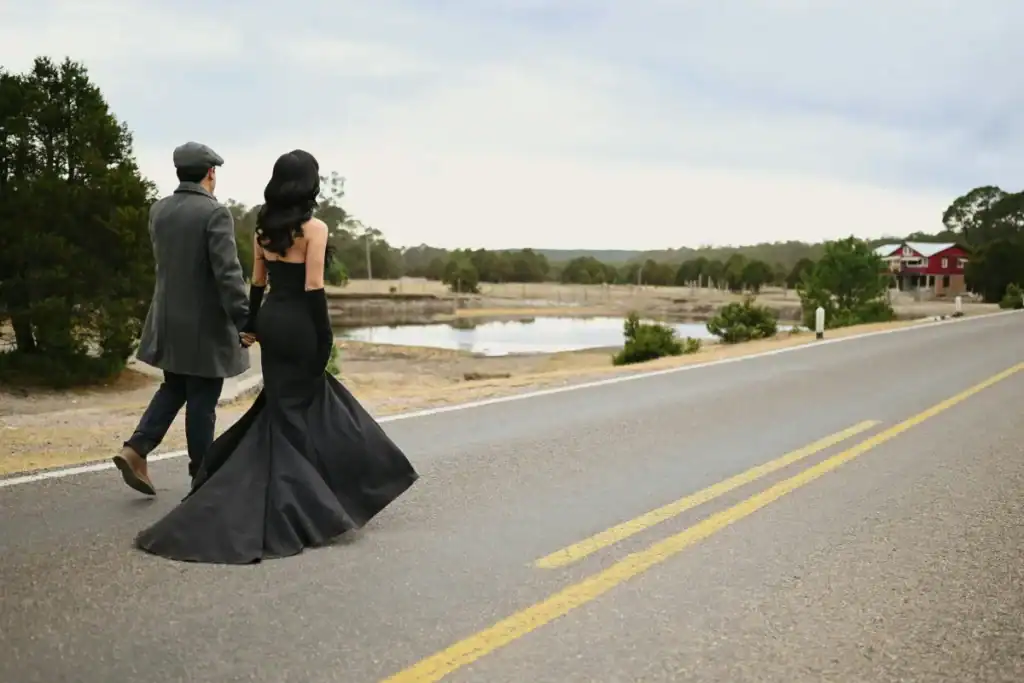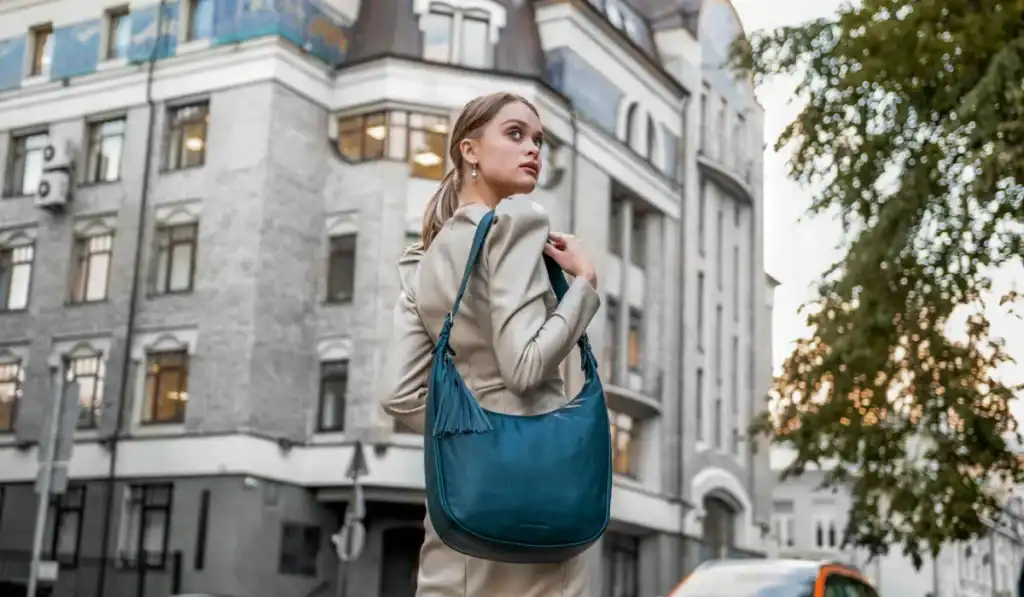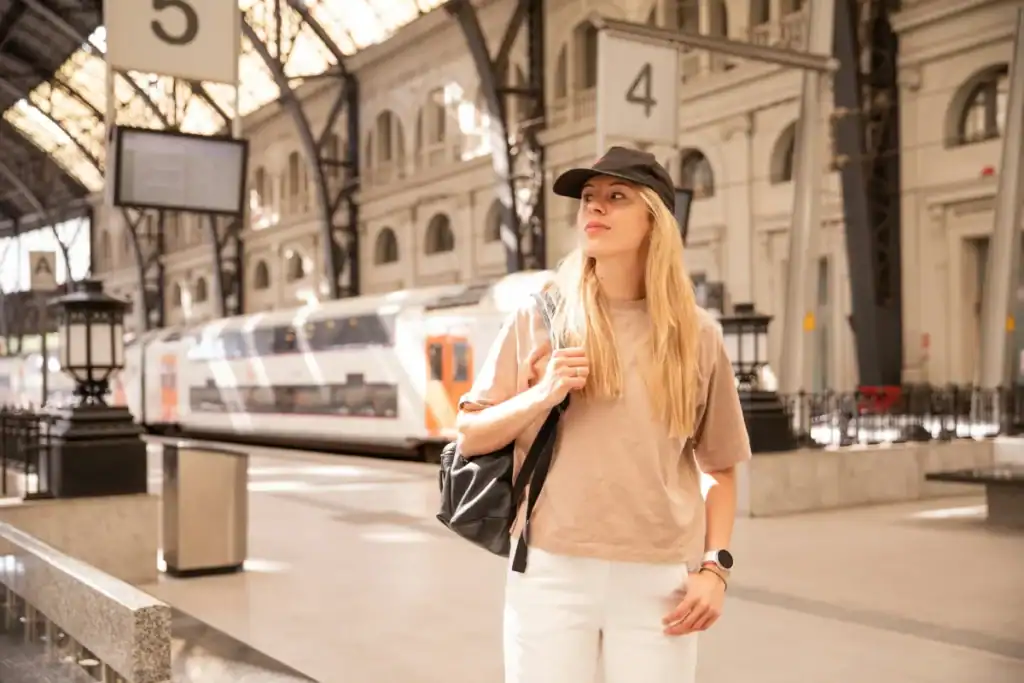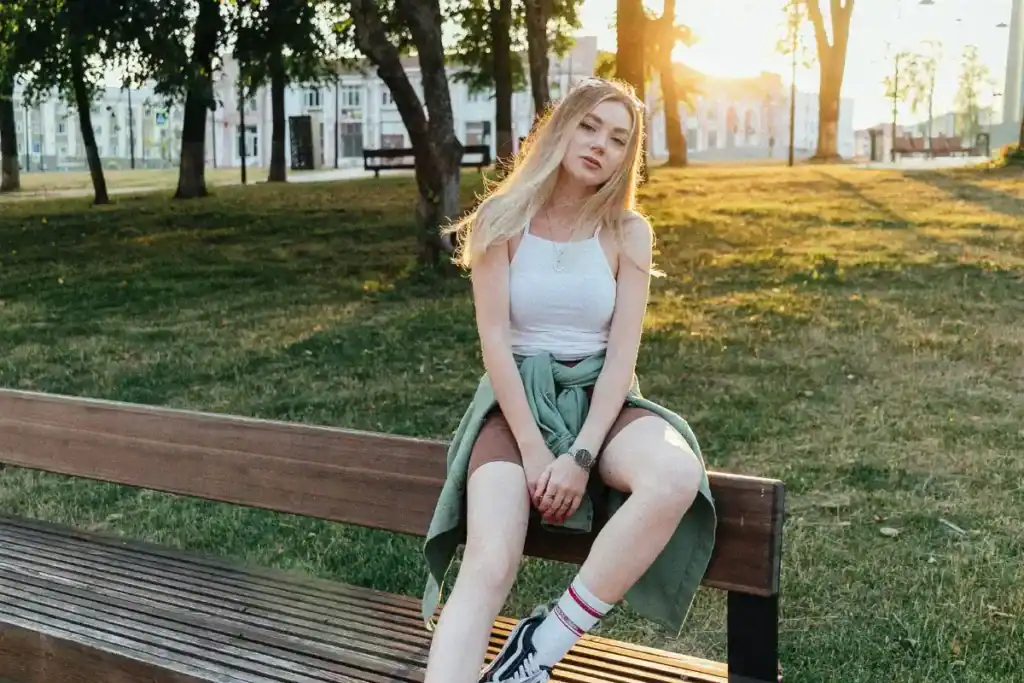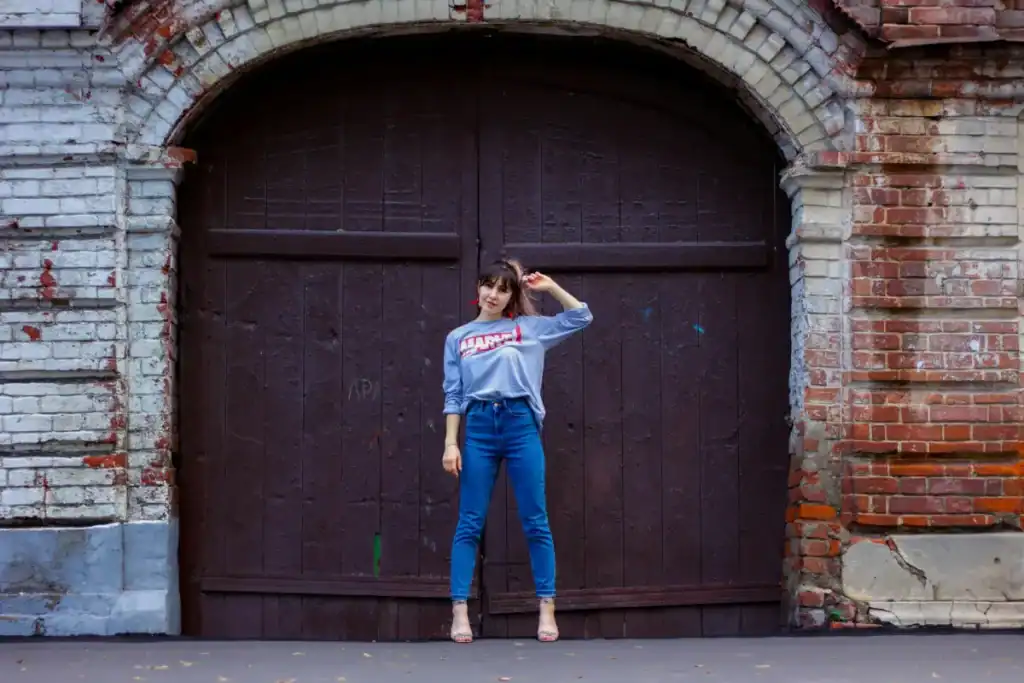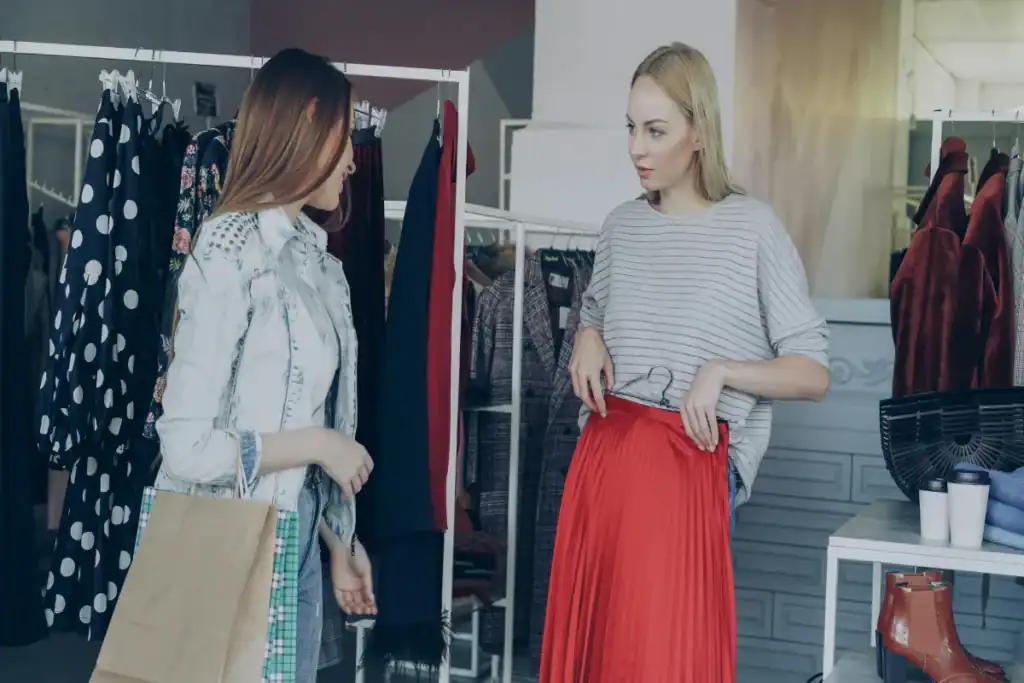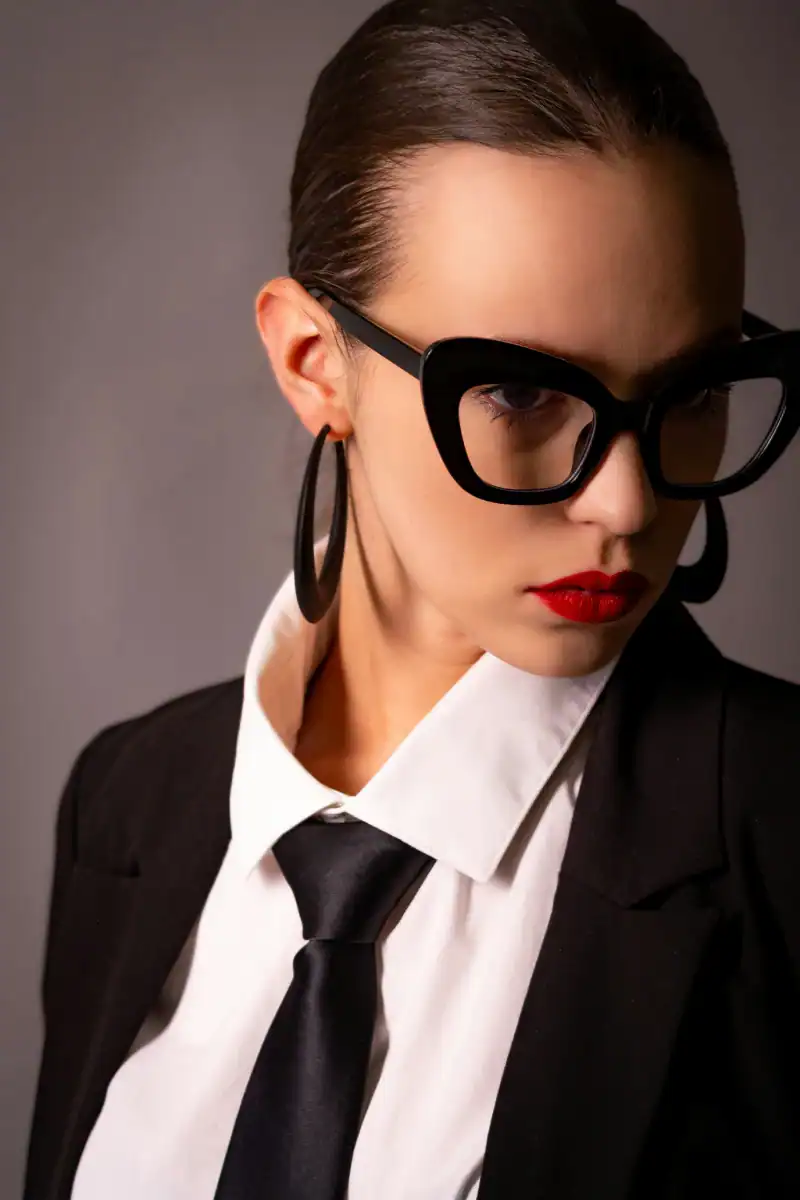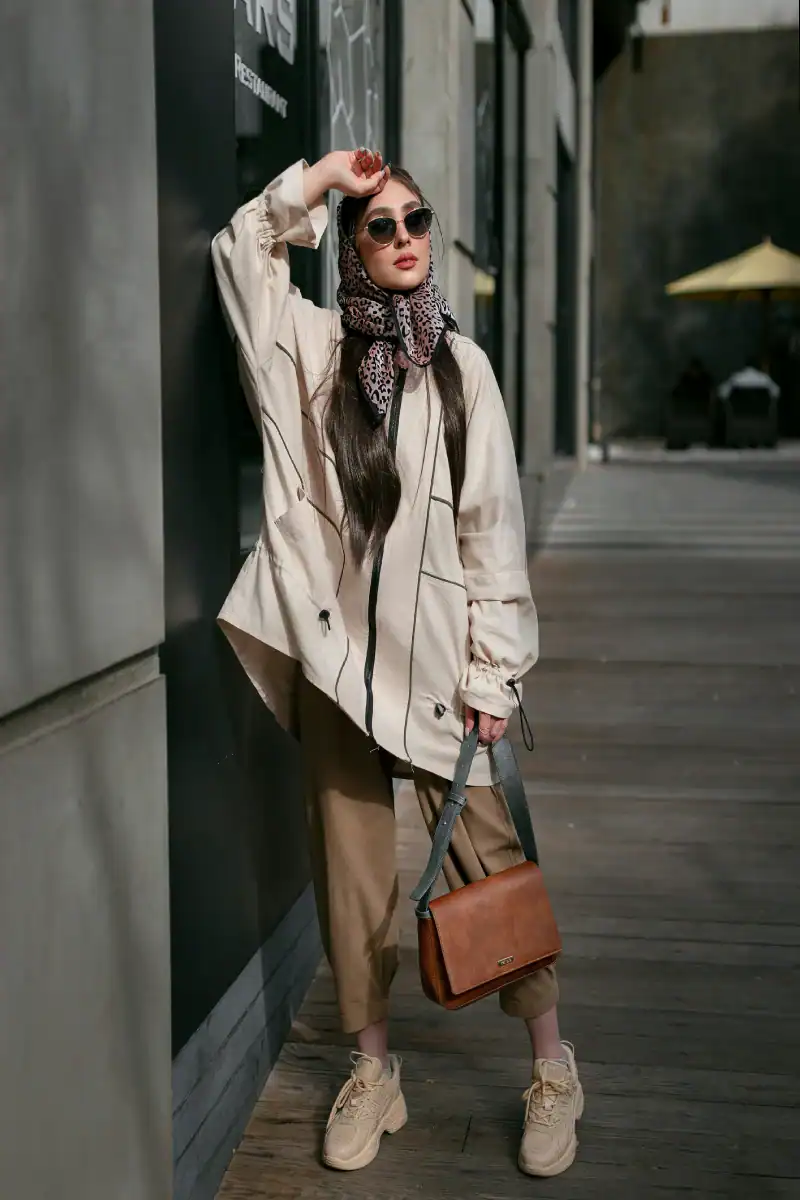
Visual guide showing types of fashion style and dressing categories

Types of Fashion Style: Complete Guide to Different Fashion Styles and Dressing

      Comments Off on Types of Fashion Style: Complete Guide to Different Fashion Styles and Dressing

Fashion styles represent more than clothing choices. They reflect lifestyle, cultural influence, functionality, and personal identity. Understanding the types of fashion style helps individuals make informed wardrobe decisions, recognize their preferences, and adapt clothing choices to different environments.

In the United States, fashion styles evolve continuously due to cultural diversity, workplace changes, climate variation, and media influence. Rather than following trends alone, many people now focus on identifying fashion styles that align with comfort, purpose, and long-term wearability.

This guide explores what are the different types of fashion, how they are classified, and how each style functions in everyday life. Instead of a simple list, it provides structured context to help readers understand different fashion styles, their characteristics, and how they fit into real-world dressing habits.

What Are Fashion Styles and Why They Exist

Fashion styles are structured ways of dressing that share consistent characteristics. These characteristics may relate to fit, fabric, color palette, cultural origin, or functional use. Over time, these repeated patterns form recognizable styles of fashion.

Fashion styles exist because clothing serves multiple purposes:

  • Protection and comfort

  • Social and professional signaling

  • Cultural expression

  • Personal identity

Rather than being fixed rules, fashion styles act as flexible frameworks. A single person may adopt multiple types of styles depending on context, such as work, leisure, or formal events.

How Fashion Styles Are Classified

To understand types of fashion styles, it helps to know how they are categorized. Most style categories are formed based on shared influences rather than strict boundaries.

Lifestyle-Based Fashion Styles

These styles reflect daily routines, work environments, and activity levels. Examples include casual, business, and sporty dressing.

Culture and Region Influenced Styles

Cultural heritage, geography, and tradition shape many different fashion styles, such as bohemian or vintage-inspired looks.

Era and Movement Driven Styles

Some fashion styles originate from specific historical periods or social movements, including punk, grunge, and retro fashion.

Function-Oriented Fashion Styles

These styles prioritize purpose, such as comfort, durability, or performance, often influencing athleisure and utilitarian dressing.

This classification helps explain why all types of dressing styles overlap rather than exist independently.

Complete List of Types of Fashion Style

Below is a detailed overview of widely recognized types of fashion style, commonly referenced in the USA and globally.

Casual Fashion Style

Casual fashion prioritizes comfort and practicality. It includes everyday clothing such as jeans, t-shirts, casual dresses, and sneakers. This style is common for daily activities, informal social settings, and relaxed work environments.

Classic Fashion Style

The classic style focuses on timeless silhouettes, neutral colors, and structured garments. Blazers, tailored trousers, button-down shirts, and simple dresses are typical. This style emphasizes longevity over seasonal trends.

Minimalist Fashion Style

Minimalist fashion relies on simplicity and restraint. It features clean lines, limited color palettes, and uncluttered designs. This type of clothes style is often associated with efficiency and versatility.

Streetwear Fashion Style

Streetwear blends casual clothing with urban influence. Hoodies, graphic t-shirts, sneakers, and oversized fits define this style. It is heavily influenced by music, youth culture, and digital platforms.

Bohemian (Boho) Fashion Style

Bohemian fashion emphasizes artistic expression and relaxed silhouettes. Flowing fabrics, layered accessories, and earthy tones are common. This style is often associated with creativity and travel-oriented lifestyles.

Chic Fashion Style

Chic fashion focuses on polished and refined appearance without excessive ornamentation. It blends simplicity with sophistication and is often seen in urban settings.

Preppy Fashion Style

Preppy style originates from collegiate fashion traditions. It includes polo shirts, sweaters, skirts, loafers, and structured layering. This style emphasizes neatness and coordination.

Vintage Fashion Style

Vintage fashion draws inspiration from previous decades. Clothing may be authentic vintage or modern reproductions styled to reflect a past era. This style values individuality and historical influence.

Sporty / Athleisure Fashion Style

Sporty fashion combines athletic wear with casual dressing. Leggings, joggers, hoodies, and sneakers are worn beyond workout settings, reflecting lifestyle flexibility.

Grunge Fashion Style

Grunge fashion emerged from alternative music culture. It features layered clothing, distressed fabrics, and muted tones. Comfort and nonconformity are key elements.

Punk Fashion Style

Punk fashion is rooted in rebellion and self-expression. Leather jackets, bold accessories, and unconventional styling are common. This style challenges traditional fashion norms.

Gothic Fashion Style

Gothic fashion emphasizes dark color palettes, dramatic silhouettes, and expressive detailing. It often reflects artistic and subcultural influences.

Hip-Hop Fashion Style

Hip-hop fashion features bold designs, relaxed fits, statement accessories, and strong brand influence. It reflects music, community identity, and cultural storytelling.

Business and Formal Fashion Style

Business fashion focuses on professionalism and workplace standards. Suits, formal dresses, and polished footwear define this category. It is common in corporate and formal environments.

Modern and Emerging Fashion Styles in the USA

Fashion continues to evolve as lifestyles and values change.

Sustainable and Eco-Conscious Fashion Style

This style prioritizes environmentally responsible materials, ethical production, and long-term wear. Sustainability has become a defining factor for many fashion consumers.

Gender-Neutral and Androgynous Fashion Style

Gender-neutral fashion focuses on inclusive design, flexible silhouettes, and non-restrictive categories. This style reflects changing perspectives on identity and self-expression.

Digital-Influenced Fashion Styles

Social media platforms influence styling choices, combining aesthetics from multiple style categories into new hybrid forms.

Hybrid Fashion Styles

Many people blend multiple styles, creating combinations such as casual-classic or sporty-chic. Hybrid styles reflect adaptability rather than strict classification.

How to Identify Your Personal Fashion Style

Understanding different style types fashion involves observation rather than labels.

Clothing Preferences and Daily Activities

Lifestyle plays a major role in determining suitable types of fashion. Comfort, mobility, and environment matter more than trends.

Comfort, Fit, and Function

Personal style aligns with clothing that fits well and supports daily needs. This factor often determines long-term wardrobe satisfaction.

Cultural and Media Influence

Media exposure, location, and social environment influence how people adopt kinds of fashion styles over time.

Can You Have More Than One Fashion Style?

Yes. Most people naturally shift between types of styles depending on occasion and setting.

Situational Styling

Workwear, casual outfits, and event attire often differ while still reflecting a consistent personal preference.

Seasonal and Lifestyle Changes

Climate, career shifts, and personal growth influence fashion choices. This adaptability explains why fashion styles are fluid rather than fixed.

Fashion Styles vs Fashion Trends

Fashion styles are often confused with trends, but they serve different purposes.

Long-Term Style Identity

Fashion styles remain consistent over time and represent foundational dressing habits.

Short-Term Trend Influence

Trends temporarily affect colors, patterns, or silhouettes but usually do not replace established style categories.

Understanding this difference helps maintain a functional wardrobe.

How Fashion Styles Influence Shopping and Wardrobe Choices

Knowing your type of styles in fashion simplifies shopping decisions.

Building a Wardrobe Around a Core Style

A defined style reduces unnecessary purchases and supports cohesive dressing.

Reducing Overconsumption

Style awareness encourages intentional buying, which aligns with sustainability goals and budget management.

Common Misconceptions About Fashion Styles

Fashion Styles Are Age-Specific

Fashion styles apply across age groups. Adaptation depends on preference, not restriction.

You Must Follow One Style Only

Most wardrobes include multiple kinds of styles, adjusted for context.

Why Understanding Types of Fashion Style Matters Today

Understanding what are the different fashion styles helps individuals dress with clarity, confidence, and purpose. Rather than following temporary trends, recognizing types of fashion styles supports long-term wardrobe planning, cultural awareness, and personal expression.

In modern society, fashion functions as a practical tool as well as a form of communication. Knowing the name of styles of fashion and how they operate enables more thoughtful clothing choices and sustainable consumption.

Frequently Asked Questions About Types of Fashion Style

How many types of fashion styles exist?

There is no fixed number. Fashion styles evolve continuously, with core categories expanding into hybrid forms.

What are the 7 types of fashion commonly referenced?

Casual, classic, minimalist, sporty, bohemian, streetwear, and formal are often cited as foundational categories.

What are the different types of fashion styles today?

They include traditional styles, modern hybrids, and emerging categories influenced by sustainability and digital culture.

Can fashion styles change over time?

Yes. Lifestyle, environment, and personal preferences naturally influence changes in style.

Are fashion styles influenced by culture?

Cultural background significantly shapes different fashion styles through values, traditions, and climate.

What is the difference between fashion style and clothing trend?

A style is long-term and identity-based, while a trend is temporary and seasonal.

Types of Clothing Styles

Types of Clothing Styles: Guide Fashion Styles for Men and Women

      Comments Off on Types of Clothing Styles: Guide Fashion Styles for Men and Women

Clothing styles represent the way individuals express identity, culture, lifestyle, and personality through what they wear. In the modern fashion landscape, the types of clothing styles have expanded far beyond traditional categories, shaped by global influences, digital platforms, and changing social norms. When people search for different types of clothing styles, they are not only looking for names but also for meaning, context, and real-world relevance. Understanding the various styles of clothing helps individuals make informed fashion choices that align with comfort, confidence, and self-expression.

In the United States, clothing styles are especially diverse due to cultural blending, climate variation, and strong influence from entertainment and social media. From everyday casual wear to highly specific aesthetic and alternative styles, fashion continues to evolve year after year.

What Are Clothing Styles and How Do They Differ?

Clothing styles are categories of fashion defined by recurring patterns in design, fit, color, fabric, and overall presentation. Each style reflects a combination of historical influence, social behavior, and personal preference. Some styles prioritize function and comfort, while others focus on visual impact or cultural symbolism. When people ask what types of clothing styles are there, they are usually trying to identify how fashion choices are grouped and how those groups relate to real life.

Different types of clothing styles exist because people live different lifestyles. Someone working in a corporate office will dress differently than someone in a creative industry, just as teenagers often adopt different clothing styles than adults. Over time, these preferences become recognized styles with identifiable characteristics.

Classic Clothing Style

The classic clothing style is built around timeless fashion that remains relevant regardless of trends. This style emphasizes clean lines, structured silhouettes, and neutral colors such as black, navy, beige, gray, and white. Classic clothing styles are often associated with professionalism, elegance, and maturity, making them popular among both men and women who prefer a refined appearance.

classic clothing style is built around timeless fashion

In men’s fashion, classic style often includes tailored suits, crisp shirts, and polished shoes. For women, it includes dresses with simple cuts, blazers, skirts, and understated accessories. The appeal of classic clothing lies in its longevity, as pieces can be worn for years without appearing outdated.

Casual Clothing Style

Casual clothing style is one of the most widely adopted types of clothing styles in everyday life. It prioritizes comfort, practicality, and ease of movement while still maintaining a presentable appearance. Casual style varies depending on age, gender, and environment, but it commonly includes items such as jeans, t-shirts, sneakers, hoodies, and relaxed tops.

casual clothing styles dominate daily wear for men, women, and teens

In the USA, casual clothing styles dominate daily wear for men, women, and teens. This style adapts easily to different seasons and occasions, making it one of the most flexible fashion categories. Casual fashion also evolves quickly, influenced by street culture, pop trends, and lifestyle shifts.

Smart Casual Clothing Style

Smart casual is a hybrid style that blends the structure of formal wear with the comfort of casual clothing. It is especially popular in modern workplaces, social events, and semi-formal settings where full formal attire is not required. This style allows for more personal expression while maintaining a polished look.

Smart Casual Clothing Style in modern workplaces

Smart casual outfits may include chinos paired with button-down shirts, blouses combined with tailored pants, or dresses styled with minimal accessories. The smart casual clothing style appeals to individuals who want versatility without sacrificing professionalism.

Streetwear Clothing Style

Streetwear is one of the most influential and fast-growing types of clothing styles, particularly among younger generations. Originating from urban culture, skateboarding, and hip-hop, streetwear emphasizes bold design, oversized fits, and statement pieces. Logos, graphics, and limited-edition releases are central to this style.

Streetwear clothing styles for guys are especially popular

Streetwear types of clothing styles for guys especially popular, but women’s streetwear clothing has also gained strong visibility. Sneakers play a critical role in this style, often acting as the centerpiece of an outfit. Social platforms like TikTok and Instagram continue to push streetwear trends into mainstream fashion.

Minimalist Clothing Style

Minimalist fashion focuses on simplicity, functionality, and intentional wardrobe choices. This clothing style avoids excess by using neutral color palettes, clean silhouettes, and high-quality fabrics. The goal of minimalist clothing is not to stand out but to create a cohesive and effortless look.

oth men and women adopt minimalist styles

Minimalist clothing styles are popular among individuals who prefer capsule wardrobes and sustainable fashion practices. Both men and women adopt minimalist styles as a long-term approach to dressing, rather than following seasonal trends.

Bohemian Clothing Style

Bohemian, often referred to as boho style, is inspired by artistic, free-spirited, and nature-oriented lifestyles. This style features flowing fabrics, layered textures, earthy tones, and handcrafted details. Bohemian clothing styles are commonly associated with creativity, travel, and individuality.

Women’s bohemian clothing styles

Women’s bohemian clothing styles often include maxi dresses, loose blouses, fringe details, and natural fabrics. Men’s boho fashion incorporates relaxed fits, patterned shirts, and accessories such as scarves or hats. This style remains popular in warm climates and festival culture.

Preppy Clothing Style

Preppy clothing style originates from American collegiate fashion and Ivy League traditions. It is characterized by neat, structured outfits that convey a youthful yet polished appearance. Common elements include collared shirts, sweaters, skirts, chinos, loafers, and blazers.

Preppy Clothing Style

Preppy fashion appeals to individuals who prefer a clean and organized look. While traditionally associated with students, modern preppy clothing styles have evolved to fit casual and professional environments alike.

Vintage and Retro Clothing Styles

Vintage and retro clothing styles draw inspiration from fashion trends of previous decades, such as the 1950s, 1970s, 1990s, and early 2000s. These styles celebrate nostalgia while allowing individuals to reinterpret old trends in a modern way.

Vintage and retro clothing styles

Vintage fashion often involves thrifted or reproduction pieces, while retro styles recreate the look of a specific era using contemporary clothing. These styles are closely connected to aesthetic fashion and personal identity expression.

Aesthetic Clothing Styles

Aesthetic clothing styles are defined more by visual mood and cultural influence than by function. These styles are largely shaped by online communities and social platforms. Popular aesthetic styles include cottagecore, dark academia, soft girl, grunge aesthetic, and clean girl fashion.

Aesthetic clothing styles appeal strongly to teens and young adults who use fashion as a form of visual storytelling. Each aesthetic reflects a lifestyle, emotional tone, or cultural interest, making it deeply personal.

Athleisure Clothing Style

Athleisure combines athletic wear with everyday fashion, allowing comfort and performance to exist within casual outfits. This style gained massive popularity due to lifestyle changes and the rise of wellness culture.

Athleisure clothing styles include leggings, joggers, sports bras, hoodies, and performance sneakers. Both men and women adopt athleisure for daily errands, travel, and remote work environments.

Goth and Alternative Clothing Styles

Goth clothing styles fall under the broader category of alternative fashion. These styles emphasize dark color palettes, dramatic silhouettes, and symbolic accessories. Goth fashion is influenced by music, literature, and subcultural identity.

Alternative clothing styles also include punk, emo, and industrial fashion, each with distinct visual elements. These styles allow individuals to express individuality outside mainstream fashion norms.

Japanese Clothing Styles

Japanese clothing styles are known for their creativity, layering techniques, and unique silhouettes. Styles such as Harajuku, Lolita, Mori, and techwear have influenced global fashion trends.

Japanese fashion emphasizes self-expression and experimentation, often blending traditional elements with modern design. These styles are especially influential in streetwear and avant-garde fashion.

Types of Clothing Styles for Men

Men’s clothing styles focus on structure, function, and adaptability. Common types of men’s clothing styles include classic, casual, streetwear, smart casual, minimalist, athleisure, and alternative styles. Modern men’s fashion increasingly embraces flexibility, allowing different styles to overlap depending on occasion and personal taste.

Types of Clothing Styles for Women

Women’s clothing styles offer broader variety due to differences in silhouettes, fabrics, and design options. Feminine, casual, bohemian, minimalist, chic, vintage, and aesthetic clothing styles are among the most popular. Women often combine multiple styles to create unique personal looks.

How Clothing Styles Evolve Over Time

Clothing styles change as society, technology, and culture evolve. Trends from 2020 to 2025 show a strong shift toward comfort, inclusivity, sustainability, and digital influence. Social media platforms accelerate trend cycles, while core clothing styles remain consistent foundations.

Final Perspective on Clothing Styles

There is no fixed answer to how many types of clothing styles exist. Fashion continues to evolve as individuals reinterpret styles based on personality, culture, and lifestyle. Understanding different types of clothing styles empowers people to dress with intention rather than following trends blindly.

Personal style is not about fitting into one category—it is about choosing what represents you best.

FAQ’S About Clothing Styles

1. What are the different types of clothing styles?

There are many different types of clothing styles, including classic, casual, smart casual, streetwear, minimalist, bohemian, preppy, vintage, athleisure, aesthetic, and alternative styles. Each clothing style is defined by specific characteristics such as fit, color palette, fabric choice, and cultural influence. Rather than being fixed categories, clothing styles evolve over time as fashion trends, social behavior, and lifestyle preferences change.

2. How many types of clothing styles are there?

There is no exact number of clothing styles because fashion continuously evolves. While core styles such as classic, casual, and streetwear remain consistent, new clothing styles emerge through cultural movements, social media influence, and generational shifts. This is why people often see references to clothing styles by year, such as clothing styles in 2023, 2024, or 2025.

3. What are the most popular clothing styles in the USA?

In the United States, the most popular clothing styles include casual, streetwear, smart casual, athleisure, and minimalist fashion. These styles reflect modern American lifestyles that prioritize comfort, flexibility, and personal expression. Social media platforms and celebrity influence also play a major role in shaping popular clothing styles across different age groups.

4. What types of clothing styles are best for men?

Common types of men’s clothing styles include classic, casual, streetwear, smart casual, minimalist, and athleisure styles. Men often choose clothing styles based on their profession, lifestyle, and comfort preferences. Modern men’s fashion allows for blending styles, such as combining classic tailoring with casual elements for a balanced look.

5. What types of clothing styles are best for women?

Women’s clothing styles are highly diverse and include feminine, casual, bohemian, chic, minimalist, vintage, and aesthetic fashion styles. Many women incorporate multiple clothing styles into their wardrobes depending on occasion, season, and personal expression. This flexibility makes women’s fashion one of the most dynamic areas of clothing style evolution.

6. What are aesthetic clothing styles?

Aesthetic clothing styles focus on visual identity, mood, and cultural influence rather than function alone. Popular aesthetic styles include cottagecore, dark academia, grunge aesthetic, soft girl, and clean girl fashion. These styles are strongly influenced by social media and often reflect a lifestyle or emotional theme, making them especially popular among teens and young adults.

7. How do clothing styles reflect personality?

Clothing styles often reflect personality traits, preferences, and values. For example, minimalist clothing styles may appeal to people who value simplicity and organization, while bohemian styles often attract creative and free-spirited individuals. Fashion choices can also reflect confidence, professionalism, or cultural identity, making clothing a powerful form of self-expression.

8. What is the difference between casual and streetwear clothing styles?

Casual clothing styles prioritize comfort and everyday practicality, often featuring simple and relaxed outfits. Streetwear, on the other hand, is rooted in urban culture and emphasizes bold designs, oversized fits, graphic elements, and sneaker culture. While both styles are informal, streetwear focuses more on visual impact and trend-driven fashion.

9. Are clothing styles different for men and women?

Yes, clothing styles can differ for men and women due to differences in design, fit, and cultural expectations. However, many modern clothing styles are becoming gender-neutral, allowing both men and women to adopt similar fashion elements. Streetwear, minimalist, and casual styles often overlap across genders.

10. What are alternative clothing styles?

Alternative clothing styles include goth, punk, emo, and other subcultural fashion movements that exist outside mainstream trends. These styles often feature darker color palettes, unique accessories, and symbolic elements. Alternative fashion allows individuals to express identity and beliefs through clothing rather than following traditional fashion norms.

11. What are Japanese clothing styles?

Japanese clothing styles are known for their creativity, layered silhouettes, and emphasis on individuality. Styles such as Harajuku, Lolita, Mori, and techwear have influenced global fashion. Japanese fashion often blends traditional cultural elements with modern innovation, making it a major source of inspiration in contemporary clothing styles.

12. How do clothing styles change over time?

Clothing styles change due to cultural shifts, technological advancements, and changes in lifestyle. Social media platforms accelerate fashion cycles by quickly spreading new trends. While specific trends may change yearly, core clothing styles remain stable and adapt gradually over time.

13. What clothing styles are popular among teens?

Teen clothing styles are heavily influenced by social media, pop culture, and peer trends. Popular styles among teens include Y2K fashion, oversized streetwear, aesthetic outfits, and gender-neutral clothing. Teen fashion tends to evolve quickly, often reflecting digital trends and online communities.

14. How can someone find their personal clothing style?

Finding a personal clothing style involves understanding lifestyle needs, comfort preferences, body type, and personality. Many people start by experimenting with different clothing styles and gradually identifying which outfits make them feel confident and comfortable. Over time, this process leads to a personalized style rather than strict adherence to one category.

15. Do clothing styles repeat over the years?

Yes, clothing styles often repeat and re-emerge in new forms. Vintage and retro fashion demonstrates how trends from previous decades return with modern updates. While silhouettes and materials may change, the core inspiration behind many clothing styles remains cyclical.

winter capsule wardrobe guide

Winter Capsule Wardrobe: A Complete Guide

      Comments Off on Winter Capsule Wardrobe: A Complete Guide

A winter capsule wardrobe is a carefully curated collection of winter clothing essentials that work together seamlessly. Instead of owning dozens of rarely worn items, a capsule wardrobe focuses on versatility, layering, and timeless winter staples that make getting dressed simple, warm, and stylish.

This guide explains what a winter capsule wardrobe is, why it works, and how to build one step by step, whether your style is minimalist, classic, casual, or work-focused.

What Is a Winter Capsule Wardrobe?

A winter capsule wardrobe is a limited set of winter clothes designed to create multiple outfits with minimal effort. Every item serves a purpose and pairs easily with the rest of your winter wardrobe.

What Is a Winter Capsule Wardrobe?

Unlike trend-driven wardrobes, a winter capsule prioritizes:

  • Warmth and functionality
  • Neutral and complementary colors
  • Layering pieces that work across different winter settings

This approach helps reduce decision fatigue while ensuring you always have something appropriate to wear in cold weather.

Why a Winter Capsule Wardrobe Makes Sense

Building a winter wardrobe can feel overwhelming because of bulky layers, unpredictable weather, and social occasions that require different outfits. A capsule wardrobe simplifies this process.

A well-planned winter capsule wardrobe helps you:

  • Save time choosing outfits
  • Reduce unnecessary clothing purchases
  • Maintain a cohesive personal style
  • Stay warm without over-layering
  • Create outfits for work, weekends, and casual outings

Instead of chasing seasonal trends, you invest in winter wardrobe staples that last for years.

How Many Pieces Should a Winter Capsule Wardrobe Include?

There is no fixed number, but most winter capsule wardrobes include 25 to 35 pieces, depending on climate and lifestyle. This usually covers:

  • Outerwear
  • Knitwear and layering tops
  • Bottoms
  • Dresses or outfit builders
  • Shoes and winter accessories

The focus is not quantity, but how many outfits each piece can create.

Winter Capsule Wardrobe Essentials (Core Categories)

essential-winter-outerwear-includes

Winter Outerwear Staples

Outerwear forms the foundation of any winter capsule wardrobe. These are the most visible pieces and should work with everything else in your closet.

Essential winter outerwear includes:

  • A warm wool or structured coat
  • A casual everyday jacket
  • A cold-weather coat suitable for low temperatures

Neutral colors like black, camel, gray, or navy offer maximum outfit flexibility.

Winter Knitwear and Layering Basics

Knitwear is the backbone of winter dressing. These pieces provide warmth while allowing easy layering.

Key winter wardrobe essentials include:

  • Classic sweaters in neutral tones
  • Lightweight knits for indoor layering
  • Warm turtlenecks or mock necks

Choose fabrics that retain heat without adding bulk, making them ideal for minimalist winter outfits.

Winter Tops and Everyday Basics

Your winter capsule wardrobe should include versatile tops that can be worn alone or layered.

These often include:

  • Long-sleeve tops
  • Thermal basics
  • Simple blouses for work or outings

Stick to solid colors or subtle patterns so they pair easily with all winter wardrobe bottoms.

Winter Bottoms That Work With Everything

Bottoms anchor winter outfits and should be comfortable, warm, and adaptable.

Common winter wardrobe staples include:

  • Well-fitted jeans
  • Warm trousers
  • Skirts that work with tights or boots

Choose fabrics that hold warmth and structure, especially if you live in a colder climate.

Winter Dresses as Outfit Builders

Dresses simplify winter dressing by creating instant outfits with minimal effort.

Winter-friendly dresses often include:

  • Sweater dresses
  • Long-sleeve midi dresses
  • Layerable styles that work with boots and coats

These pieces transition easily from casual winter outfits to workwear.

Winter Shoes and Footwear Essentials

Footwear plays a critical role in winter comfort and safety.

A balanced winter capsule wardrobe includes:

  • Everyday ankle boots
  • Weather-appropriate boots
  • Comfortable shoes for indoor settings

Neutral footwear ensures compatibility with multiple winter outfits.

Winter Accessories That Complete the Capsule

Accessories add warmth and variety without cluttering your closet.

Winter accessory essentials include:

  • Scarves
  • Gloves
  • Hats
  • Belts and winter-friendly bags

These pieces help refresh outfits while maintaining a minimalist winter wardrobe.

How to Build a Minimalist Winter Capsule Wardrobe

A minimalist winter capsule wardrobe focuses on simplicity, function, and cohesion.

Start by:

  1. Removing items that don’t fit, feel comfortable, or suit your lifestyle
  2. Identifying your most worn winter clothes
  3. Filling gaps only with essential winter basics

Minimalist winter wardrobes rely heavily on neutral colors, clean silhouettes, and multi-purpose clothing.

Creating a Winter Work Capsule Wardrobe

A winter work capsule wardrobe should balance professionalism and warmth.

Focus on:

  • Structured coats and blazers
  • Neutral sweaters and trousers
  • Shoes suitable for long workdays

Each piece should mix with at least two others, allowing multiple office-appropriate outfits without excess clothing.

Winter Weekend Capsule Wardrobe Essentials

A winter weekend capsule wardrobe emphasizes comfort and ease.

This usually includes:

  • Cozy knitwear
  • Casual jackets
  • Comfortable footwear

Weekend pieces should still align with the rest of your winter wardrobe, allowing overlap with weekday outfits.

How to Dress Well in Winter Without Overpacking

Dressing well in winter is less about owning more clothes and more about strategic layering.

To stay stylish and warm:

  • Layer thin, insulating pieces
  • Use outerwear as a style anchor
  • Repeat outfits with different accessories

A capsule wardrobe ensures that every winter outfit feels intentional.

Common Mistakes to Avoid When Building a Winter Capsule Wardrobe

Many winter wardrobes fail due to over-buying or poor planning.

Avoid:

  • Buying trend-only winter pieces
  • Choosing colors that don’t match your existing wardrobe
  • Ignoring lifestyle needs such as work or climate

A strong winter capsule wardrobe is built gradually, not all at once.

Winter Capsule Wardrobe Checklist

Before finalizing your winter wardrobe capsule, ensure you have:

  • At least one versatile winter coat
  • Multiple layering options
  • Comfortable winter shoes
  • Outfits suitable for work, weekends, and outings

This checklist helps ensure balance without excess.

Final Thoughts: Building a Winter Capsule That Lasts

A winter capsule wardrobe is not about restriction—it’s about intentional dressing. By focusing on winter wardrobe essentials, quality materials, and cohesive styling, you create a winter closet that supports your daily life without stress.

Whether you prefer a minimalist winter wardrobe or a more classic winter style, the capsule approach ensures that every piece earns its place and every outfit feels effortless.

FAQs: Winter Capsule Wardrobe

What is the difference between a winter wardrobe and a winter capsule wardrobe?
A winter capsule wardrobe is a smaller, more intentional version of a full winter wardrobe, focused on versatility and cohesion.

How do I start a winter capsule wardrobe from scratch?
Start with outerwear, layering basics, and bottoms, then build outward based on lifestyle needs.

Can a winter capsule wardrobe work in very cold climates?
Yes, by prioritizing insulation, layering, and weather-appropriate outerwear.

How often should I update my winter capsule wardrobe?
Only when items wear out or no longer fit your lifestyle.

Is a winter capsule wardrobe suitable for work and casual wear?
Yes, capsules are designed to cover multiple settings with fewer pieces.