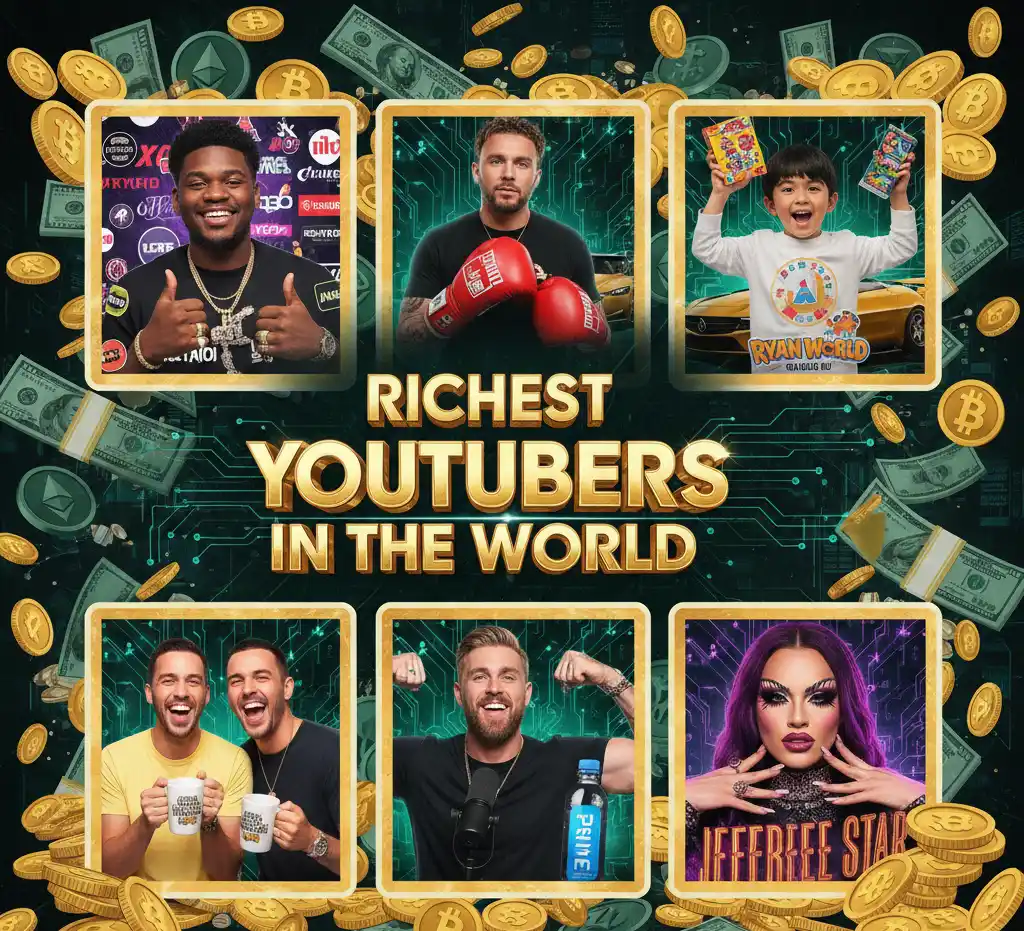
Top Richest YouTubers in the World: Net Worth

Richest YouTubers In The World

      Comments Off on Richest YouTubers In The World

YouTube has undergone a structural transformation over the last decade. What began as a platform for sharing personal videos has evolved into one of the most powerful business launchpads in the digital economy. In 2025, the question “who is the richest YouTuber” is no longer answered by subscriber counts or viral moments alone. Instead, it reflects how creators convert attention into durable business assets.

Many people searching for who is the richest YouTuber in the world, who is the richest YouTuber 2025, or who is the most richest YouTuber are ultimately trying to understand whether YouTube can support long-term wealth. The evidence from today’s top creators shows that it can—when approached with a business mindset.

This article examines the world’s richest YouTubers, explains how their wealth was built, and highlights the strategic decisions that separate enduring creator businesses from short-lived popularity.

How Creator Wealth Works on YouTube Today

Early YouTube success depended almost entirely on advertising revenue. While ads remain relevant, they now represent only one layer of creator income. The richest people from YouTube treat the platform as a discovery engine rather than a final destination.

In 2025, the highest paid YouTubers typically generate income from:

  • YouTube advertising and premium placements

  • Brand partnerships and sponsorships

  • Merchandise and licensing

  • Subscription and membership programs

  • Live tours and events

  • Creator-owned product companies

  • Media, streaming, and distribution deals

As a result, the richest YouTuber in the world is usually the creator who owns scalable businesses beyond YouTube itself.

Who Is the Richest YouTuber in the World?

MrBeast (Jimmy Donaldson)

Net Worth: Approximately $500 million

MrBeast is widely recognized as the richest YouTuber in the world and the clearest answer to searches such as who is the richest YouTuber, who’s the richest YouTuber, and is MrBeast the richest YouTuber.

With more than 340 million subscribers, Jimmy Donaldson has built one of the most advanced creator-led business ecosystems in digital media. His channel is structured around large-scale entertainment and challenge content designed for maximum shareability and global reach.

MrBeast’s income is supported by:

  • High-production challenge and entertainment videos

  • Philanthropic initiatives that reinforce brand trust

  • Beast Burger, a globally distributed virtual restaurant brand

  • Feastables, a consumer packaged goods company

  • Merchandise and licensing

  • Media and streaming partnerships

What distinguishes MrBeast from other top creators is reinvestment. Instead of extracting profits, he consistently allocates revenue back into production, allowing each video to outperform the last. This strategy has enabled him to build long-term enterprise value rather than dependence on platform algorithms.

The World’s Richest YouTubers in 2025

Below is a detailed breakdown of creators frequently cited when people ask who are the richest YouTubers.

Jeffree Star

Net Worth: Approximately $200 million
(Jeffree Star net worth 2025)

Jeffree Star’s wealth is rooted in his ability to transform digital influence into traditional business ownership. While YouTube played a key role in building awareness, the majority of his income now comes from controlled, offline assets.

His business portfolio includes:

  • Jeffree Star Cosmetics, a vertically integrated beauty brand

  • Direct-to-consumer product sales

  • YouTube advertising and sponsorships

  • Real estate and agricultural investments

  • Merchandise and brand licensing

Jeffree Star’s financial position illustrates how creators can decouple wealth from upload frequency. By prioritizing ownership and supply-chain control, he remains one of the richest YouTubers in the world even with reduced platform activity.

Logan Paul

Net Worth: Approximately $300 million

Logan Paul represents the shift from creator to founder. While YouTube provided his initial audience, his largest financial gains stem from equity-based ventures and mainstream entertainment.

His income sources include:

  • PRIME Hydration, a global beverage brand

  • Podcast monetization through sponsorships

  • Professional wrestling contracts

  • Brand endorsements and licensing

  • Strategic investments in technology and startups

Logan Paul’s career demonstrates how creators can leverage attention into consumer trust and scalable business value, placing him among the world’s richest YouTubers.

Ryan Kaji (Ryan’s World)

Net Worth: Approximately $100 million

Ryan Kaji is one of the youngest creators to rank among the richest people from YouTube. His channel expanded into a licensing-driven business supported by retail, media, and educational partnerships.

Revenue streams include:

  • YouTube advertising revenue

  • Toy and merchandise licensing

  • Retail distribution through major global chains

  • Streaming and television content deals

  • Educational brand collaborations

Ryan’s success underscores the importance of brand safety, parental trust, and structured licensing in building long-term creator wealth.

Dude Perfect

Net Worth: Approximately $100 million

Dude Perfect began as a group of friends filming trick-shot videos and evolved into a diversified entertainment brand. Their growth illustrates how collaboration can multiply creative output and business scalability.

Their revenue includes:

  • YouTube ad revenue (estimated $20–25 million annually)

  • Live touring events

  • Mobile gaming products

  • Merchandise sales

  • Long-term brand partnerships

By expanding into live entertainment and physical experiences, Dude Perfect demonstrates how digital creators can transition into traditional entertainment formats while maintaining audience loyalty.

Jake Paul

Net Worth: Approximately $100 million

Jake Paul’s wealth comes from merging creator influence with professional sports and licensing. While YouTube launched his visibility, boxing and event-based revenue now play a central role in his earnings.

His income sources include:

  • Professional boxing purses

  • Pay-per-view events

  • Merchandise and apparel sales

  • Brand partnerships

  • Real estate investments

His trajectory shows how creators can move into established industries while retaining their core audience.

PewDiePie (Felix Kjellberg)

Net Worth: Approximately $90 million

PewDiePie’s wealth reflects longevity and disciplined monetization rather than aggressive expansion. Over time, he focused on sustainable income streams and audience trust.

Key revenue drivers include:

  • Long-term YouTube advertising revenue

  • Merchandise and licensing

  • Publishing and media projects

  • Passive income investments

His approach demonstrates how creators can maintain wealth even after reducing content output.

Markiplier

Net Worth: Approximately $40 million

Markiplier has built a business that combines entertainment with purpose-driven initiatives. His audience engagement is supported by transparency, consistency, and diversified creative output.

Revenue streams include:

  • YouTube advertising revenue

  • Creator-owned merchandise lines

  • Film and voice-acting projects

  • Live events and collaborations

  • Charity-focused fundraising initiatives

His success highlights the role of community trust in sustaining long-term creator businesses.

Unspeakable

Net Worth: Approximately $40 million
(Unspeakable net worth)

Unspeakable has built a profitable business within the family-friendly gaming niche. His focus on consistency and brand alignment has enabled expansion beyond YouTube.

His income includes:

  • YouTube ad revenue across multiple channels

  • Merchandise sales

  • Brand partnerships targeting younger audiences

  • Licensing opportunities

His growth demonstrates how niche specialization can outperform broader but less defined strategies.

Like Nastya

Net Worth: Approximately $50 million

Like Nastya’s success is driven by global reach and multilingual content distribution. Her brand operates across regions, platforms, and educational formats.

Revenue sources include:

  • YouTube advertising revenue

  • Multi-language licensing

  • Educational partnerships

  • Merchandise and media distribution

Her business model shows how localization and international scalability contribute to creator wealth.

Vlad and Niki

Net Worth: Estimated between $50 million and $100 million

Vlad and Niki are a clear example of how children’s content can evolve into a global entertainment business when paired with structured monetization. The Russian-American brothers transformed simple play-based videos into a multi-channel brand with international reach.

Their growth has been driven by:

  • A multilingual publishing strategy that targets global audiences

  • Licensed merchandise distributed across major retail markets

  • Mobile applications designed for interactive engagement

  • Educational and entertainment-focused gaming content

  • Brand extensions tailored for younger demographics

Rather than relying solely on YouTube views, Vlad and Niki operate as a licensing-first business. Their success demonstrates how family-friendly content, when managed with long-term planning and brand governance, can generate sustainable value well beyond the platform.

Rising Creators Reshaping the YouTube Economy

While established creators dominate wealth rankings, a new generation of YouTubers is building businesses at a much faster pace than previous cohorts. These creators focus on niche authority, community trust, and multi-channel monetization from the outset.

The Tren Twins

Net Worth: Estimated between $1 million and $5 million

Michael and Christian Gaiera, known as the Tren Twins, have rapidly built a fitness-focused creator business by combining authenticity with strategic timing. Their breakout moment came from a viral training video that aligned with broader interest in accessible strength training.

Rather than treating virality as an endpoint, they used it to expand into a broader fitness brand.

Their income is generated through:

  • YouTube advertising revenue

  • A supplement brand focused on performance products

  • Fitness-related merchandise

  • Brand collaborations within the health industry

  • Digital training and fitness programs

What differentiates the Tren Twins is relatability. Their content emphasizes realistic progress, consistency, and transparency—qualities that have helped them build a loyal audience rather than fleeting attention.

Roma Army

Net Worth: Estimated between $10 million and $20 million

Roma Army, led by creator Chloe Sunderland, has developed a business rooted in commentary, advocacy, and audience engagement around complex social topics. Her channel combines storytelling with perspective-driven content, attracting a dedicated community.

Her revenue sources include:

  • YouTube monetization

  • Branded merchandise tied to channel identity

  • Speaking engagements and live appearances

  • Brand partnerships aligned with advocacy values

  • Media and awareness-driven collaborations

Roma Army’s business model illustrates that influence-driven platforms can be monetized responsibly when content and partnerships remain aligned with audience expectations and creator values.

DDG (Darryl Dwayne Granberry Jr.)

Net Worth: Estimated between $8 million and $10 million

DDG has built a diversified entertainment career by avoiding reliance on a single platform or format. Starting as a YouTube content creator, he expanded into music, entrepreneurship, and media ownership.

His income streams include:

  • Music streaming and digital sales

  • Ownership of an independent record label

  • Revenue from multiple YouTube channels

  • Merchandise and brand collaborations

  • Cross-platform audience monetization

DDG’s success highlights the value of platform flexibility. By treating YouTube as one component of a broader entertainment strategy, he has been able to grow revenue while reaching new audiences.

McKinley Richardson

Net Worth: Estimated between $5 million and $10 million

McKinley Richardson represents a new generation of creators who prioritize platform diversification early. Based in Illinois, she has built a business around consistent engagement rather than short-term virality.

Her monetization model includes:

  • YouTube ad revenue

  • Brand partnerships with consumer-focused companies

  • Sponsored social media content

  • Merchandise sales

  • TikTok and Instagram collaborations

McKinley’s approach demonstrates how sustained audience interaction and brand alignment can support steady income growth without dependence on trending content.

Multi-Platform Creators Driving the Next Phase

Some creators are building influence not by dominating one platform, but by maintaining a strong presence across several. This strategy reduces dependency risk and increases total audience reach.

Sam Sulek

Net Worth: Estimated between $2 million and $5 million

Sam Sulek has grown from a college student documenting workouts into a recognizable fitness media personality. His appeal lies in unfiltered content that emphasizes daily routines, nutrition, and realistic training progression.

His business model includes:

  • YouTube advertising revenue

  • Fitness brand partnerships

  • Merchandise sales

  • Cross-platform content on Instagram and TikTok

  • Collaborations with other fitness creators

Each piece of content serves both educational and entertainment purposes, helping him build a community rather than a purely transactional audience.

A Proven Long-Form Success Model: Good Mythical Morning

Rhett and Link’s Good Mythical Morning illustrates how YouTube shows can function as full-scale media properties. With millions of subscribers, the show has expanded into merchandise, podcasts, publishing, and live tours.

Their success demonstrates how consistency, format stability, and brand voice can support long-term audience retention and diversified revenue.

The Core Principles Behind YouTube Success

Across established leaders and emerging creators, three consistent factors separate top earners from the broader creator population.

Multiple Revenue Channels

Creators who rely solely on advertising face income volatility. The most successful YouTubers build layered income streams through products, partnerships, and services.

Content Evolution

Sustained success requires adaptation. Creators who evolve their formats while preserving audience trust are more likely to remain relevant long term.

Business-First Thinking

Top creators treat YouTube as a launch platform rather than a final destination, using visibility to support scalable business ventures.

Building a Sustainable Creator Business

The success of today’s top YouTubers shows that meaningful wealth is achievable—but rarely accidental. Common practices include:

  • Prioritizing quality over upload volume

  • Diversifying income early

  • Investing in audience relationships

  • Thinking beyond platform algorithms

  • Maintaining authenticity while expanding formats

The Future of Creator Wealth

The creator economy continues to expand as new tools and monetization features emerge. Key trends shaping the future include:

  • Increased use of AI and automation in production

  • Deeper brand investment in creator partnerships

  • Growth of creator-owned businesses

  • Expansion beyond traditional advertising models

As more creators adopt entrepreneurial strategies, YouTubers increasingly rank among the world’s highest-paid entertainers.

Closing Perspective

The creators highlighted here demonstrate what is possible when content quality, audience trust, and business strategy align. While not every channel will scale to this level, the underlying principles remain consistent.

Behind many successful creators are teams that manage production workflows, editing, and optimization—allowing creators to focus on strategy and storytelling.

At Vidpros, we work with creators to streamline video production, maintain consistent publishing schedules, and improve overall content quality—helping them focus on building sustainable, long-term creator businesses.

Who Is the Second Richest YouTuber?

Depending on valuation methods, Logan Paul and Jeffree Star are frequently cited as contenders for this position. However, neither currently surpasses MrBeast in overall enterprise value or reinvestment scale.

The Future of YouTube Wealth

The creator economy continues to mature as platforms introduce new monetization tools and brands increase investment in creator partnerships. Increasingly, the world’s highest paid YouTubers are also founders, executives, and long-term brand owners.

While not every creator will reach this level, the strategies used by the richest YouTubers in the world—diversification, ownership, and audience trust—remain applicable to anyone building a sustainable YouTube business.
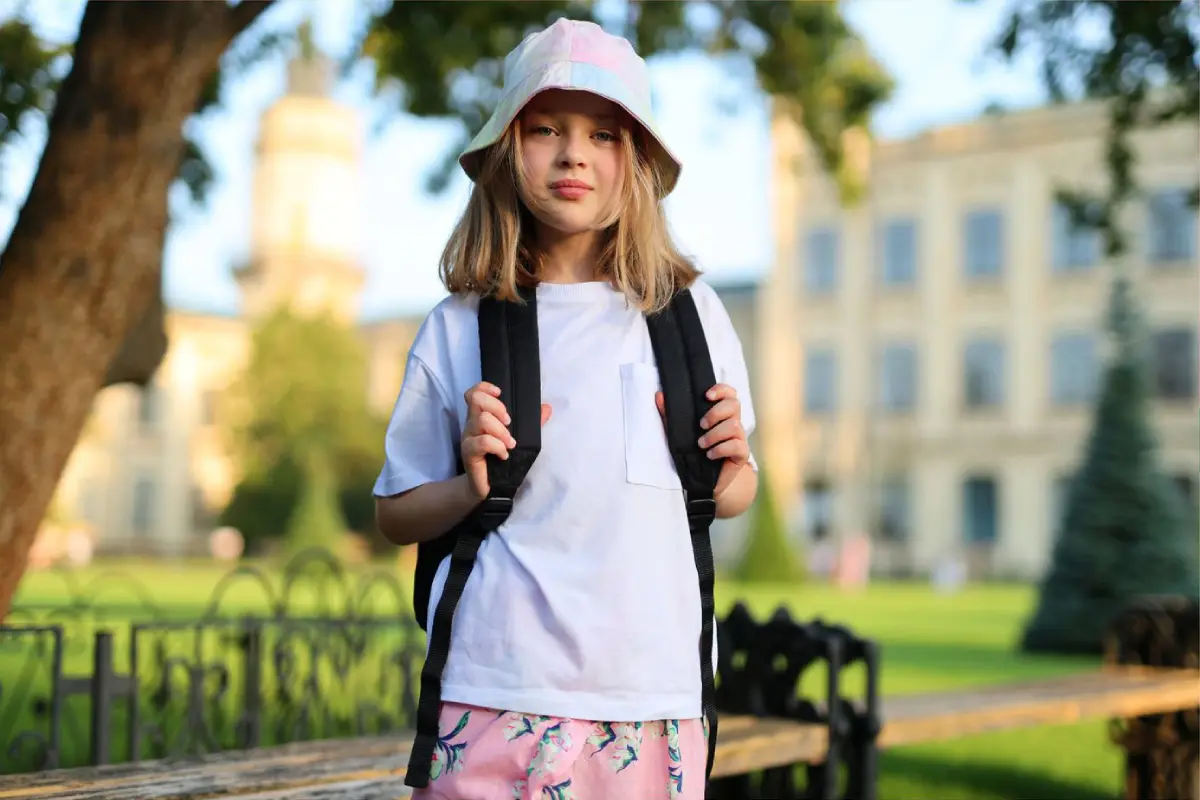

Gen Alpha Clothing Style: How the Next Generation Is Influenced by Gen Z Fashion

Gen Alpha Clothing Style: How the Next Generation Is Influenced by Gen Z Fashion

      Comments Off on Gen Alpha Clothing Style: How the Next Generation Is Influenced by Gen Z Fashion

Fashion trends do not emerge in isolation. Each generation inherits cultural, technological, and social influences from the one before it, adapting them to new contexts. Generation Alpha, the cohort born roughly from the early 2010s onward, is beginning to develop recognizable clothing preferences shaped largely by Generation Z fashion. As the first generation to grow up fully immersed in digital environments, Gen Alpha clothing style reflects a combination of Gen Z aesthetics, evolving technology, and early exposure to global culture.

While Gen Alpha is still young, early patterns in their clothing choices offer insight into how fashion may evolve over the next decade. Understanding how gen z fashion influences Generation Alpha helps explain broader shifts in the fashion industry, consumer behavior, and cultural expression across the United States and globally.

Understanding Generation Alpha and Its Cultural Context

Generation Alpha represents a demographic shaped by rapid technological advancement, digital-first communication, and constant access to global media. Unlike previous generations, Gen Alpha encounters fashion imagery, branding, and cultural trends from early childhood.

Who Is Generation Alpha?

Generation Alpha includes children born after Generation Z, typically starting around 2010. Many are still in school or early developmental stages, which means their clothing choices are often influenced by parents, guardians, and educational environments. However, exposure to digital platforms allows them to develop personal preferences earlier than previous generations.

A Digital-First Generation From Birth

Gen Alpha has grown up alongside smartphones, streaming platforms, and algorithm-driven content. This environment accelerates trend awareness and familiarity with fashion aesthetics previously associated with older age groups. As a result, gen alpha clothing style often reflects visual cues borrowed from Gen Z fashion rather than traditional children’s apparel norms.

How Gen Z Fashion Shapes Gen Alpha Clothing Style

Generation Z serves as a direct influence on Generation Alpha, both culturally and stylistically. Older siblings, social media creators, and digital role models play a significant role in shaping early fashion awareness.

Gen Z as the Cultural Bridge Generation

Gen Z acts as a bridge between millennial parenting styles and Gen Alpha consumption habits. Many Gen Alpha children are raised by Millennials while observing Gen Z fashion through online platforms. This creates a layered influence where comfort, individuality, and digital expression intersect.

Shared Values Reflected in Clothing Choices

Values associated with gen z fashion—such as authenticity, inclusivity, and comfort—are increasingly visible in Generation Alpha clothing. Relaxed silhouettes, gender-neutral designs, and expressive colors mirror Gen Z preferences, adapted for younger wearers.

Early Characteristics of Gen Alpha Clothing Style

Although still developing, several characteristics are emerging within gen alpha clothing style.

Comfort-First Design and Practicality

Comfort plays a central role in Generation Alpha clothing. Soft fabrics, flexible fits, and adaptable designs reflect lifestyle patterns that prioritize movement and ease. This mirrors gen z clothing trends that favor relaxed fits and functional wear.

Influence of Casual and Street-Inspired Fashion

Streetwear-inspired elements commonly seen in gen z fashion—such as hoodies, sneakers, and casual layering—are increasingly present in children’s apparel. These elements blur the lines between youth fashion and adult casual wear.

Simplified but Expressive Aesthetics

While Gen Alpha clothing tends to avoid overly complex designs, expressive graphics and color accents allow for individuality. This simplified expression reflects early adoption of Gen Z’s preference for personal style over rigid trends.

The Role of Digital Media in Shaping Gen Alpha Fashion

Digital media plays a foundational role in how Generation Alpha perceives clothing and style.

Exposure to Fashion Through Screens

Unlike previous generations, Gen Alpha is exposed to fashion imagery through video content rather than print or in-store experiences. Social platforms, gaming environments, and streaming services introduce fashion as part of storytelling and entertainment.

Influence of Gen Z Creators and Older Youth Culture

Gen Z creators frequently shape fashion norms that trickle down to younger audiences. Even when content is not directly targeted at children, visual exposure influences preferences and expectations around clothing.

Sustainability and Ethical Awareness in Gen Alpha Clothing

Sustainability is an emerging factor in how Generation Alpha clothing is designed and marketed.

Early Exposure to Environmental Messaging

Many Gen Alpha children are raised in households where sustainability is discussed openly. This awareness influences purchasing decisions made by parents and shapes early perceptions of responsible consumption.

Connection to Gen Z’s Ethical Fashion Influence

Gen Z fashion emphasizes ethical sourcing and transparency. These values influence how brands approach Generation Alpha clothing, encouraging durability, reuse, and environmentally conscious materials.

Gender-Neutral Fashion and Identity Expression

One of the most significant influences of gen z fashion on Gen Alpha is the normalization of gender-neutral clothing.

Moving Beyond Traditional Gender Categories

Generation Alpha clothing increasingly avoids rigid gender distinctions. Unisex designs, neutral color palettes, and flexible sizing reflect cultural shifts introduced by Gen Z.

Encouraging Individual Expression From a Young Age

Rather than enforcing predefined style rules, modern children’s fashion encourages exploration. This aligns with Gen Z’s broader approach to self-expression and inclusivity.

How the Fashion Industry Is Adapting to Generation Alpha

The fashion industry is beginning to respond to Generation Alpha as a future consumer group.

Design Strategies Influenced by Gen Z Trends

Brands often test gen z fashion concepts before adapting them for younger audiences. This approach ensures visual relevance while maintaining age-appropriate design standards.

Marketing to Parents While Appealing to Children

Fashion marketing for Gen Alpha balances parental concerns such as quality and safety with children’s interest in visual appeal. This dual audience approach reflects broader industry shifts.

Global Influence on Gen Alpha Clothing Style

While the United States remains a primary influence, Gen Alpha fashion is shaped by global exposure.

Cross-Cultural Fashion Visibility

Digital platforms allow Gen Alpha to encounter styles from different regions early. This global exposure creates more diverse fashion influences than previous generations experienced.

Regional Adaptations of Gen Z Fashion

Although global trends influence gen alpha clothing style, local culture and climate continue to shape how these styles are adopted worldwide.

Long-Term Impact of Gen Alpha on Future Fashion Trends

Generation Alpha is expected to influence fashion beyond childhood.

Early Fashion Awareness and Lifelong Preferences

Early exposure to fashion choice may result in stronger personal style identities later in life. This could accelerate trend cycles and reshape how fashion loyalty develops.

How Gen Alpha May Redefine Fashion Norms

As Generation Alpha matures, its fashion preferences may further emphasize adaptability, ethical awareness, and digital integration, extending Gen Z’s influence while creating new norms.

Relationship Between Gen Z Fashion and Gen Alpha Style Development

Gen Z fashion serves as both inspiration and foundation for Generation Alpha clothing.

Continuity Rather Than Replacement

Rather than replacing gen z fashion trends, Gen Alpha is likely to adapt and refine them. This continuity ensures long-term relevance of Gen Z-driven aesthetics.

The Evolution of Generational Fashion Influence

Fashion influence increasingly flows horizontally through digital culture rather than vertically through age-defined trends. This shift allows Gen Alpha to engage with older youth fashion earlier than ever before.

Challenges and Considerations in Gen Alpha Fashion Development

Despite growing influence, several challenges remain.

Age-Appropriate Design and Messaging

Balancing maturity of design with age-appropriate themes is essential. Fashion brands must avoid prematurely adult styling while supporting expression.

Responsible Media Exposure

Managing how fashion content reaches Gen Alpha remains an ongoing concern for parents, educators, and brands alike.

The Future of Gen Alpha Clothing Style

Gen Alpha clothing style will continue evolving alongside technology, culture, and societal values.

Integration of Digital and Physical Fashion

Digital customization and interactive clothing experiences may become more common as Generation Alpha grows older.

Continued Influence of Gen Z Fashion Values

Comfort, inclusivity, and sustainability—core to gen z fashion—are likely to remain central pillars of Gen Alpha fashion identity.

FAQs

What is Gen Alpha clothing style?

Gen Alpha clothing style refers to the emerging fashion preferences of Generation Alpha, shaped by Gen Z fashion, digital media exposure, and early cultural awareness.

How does Gen Z fashion influence Gen Alpha?

Gen Z fashion influences Gen Alpha through shared digital platforms, older siblings, creators, and values such as comfort, inclusivity, and sustainability.

Is Gen Alpha fashion different from Gen Z fashion?

Gen Alpha fashion adapts Gen Z aesthetics but simplifies them for age-appropriate design while maintaining similar values and visual elements.

Why is gender-neutral clothing common in Gen Alpha fashion?

Gender-neutral clothing reflects broader cultural shifts toward inclusivity introduced by Gen Z and supported by evolving parental and societal attitudes.

Will Gen Alpha change future fashion trends?

As Gen Alpha matures, its early exposure to fashion may influence faster trend cycles, ethical priorities, and digital fashion integration.

How global is Gen Alpha clothing style?

Gen Alpha clothing style is globally influenced due to early exposure to international content, though regional culture still shapes local adaptations.

Final Takeaway

Gen Alpha clothing style is not forming independently. It is closely connected to gen z fashion, reflecting shared values, digital-first exposure, and evolving cultural norms. As the next generation grows, its fashion identity will likely extend Gen Z’s influence while introducing new expectations around sustainability, inclusivity, and adaptability. Understanding this relationship provides valuable insight into the future of fashion in the United States and beyond.

How Gen Z Is Changing the Fashion Industry in the United States

How Gen Z Is Changing the Fashion Industry in the United States

      Comments Off on How Gen Z Is Changing the Fashion Industry in the United States

Generation Z is reshaping the fashion industry in ways that extend far beyond changing silhouettes or seasonal trends. As the first fully digital-native generation, Gen Z has introduced new expectations around transparency, speed, inclusivity, and cultural relevance. In the United States, these shifts are influencing how fashion brands design products, communicate with consumers, manage supply chains, and define long-term value.

Rather than adapting to existing industry norms, Gen Z fashion consumers are actively redefining them. Their preferences reflect broader cultural changes related to technology, social values, and economic conditions. Understanding how Generation Z fashion influences the industry provides insight into how fashion systems are evolving not only in the U.S., but globally.

Understanding Gen Z as a Fashion Industry Force

Gen Z fashion influence begins with how this generation interacts with clothing as part of everyday life. Unlike earlier generations, Generation Z does not view fashion solely as a retail product. Instead, clothing functions as a medium for communication, identity, and participation in digital culture.

Who Is Generation Z in the Fashion Market?

Generation Z typically includes individuals born from the late 1990s through the early 2010s. In the United States, this group represents a growing share of fashion consumers, workers, and creators. Their purchasing power continues to increase as more Gen Z consumers enter the workforce.

What distinguishes Gen Z fashion behavior is not only age, but mindset. This generation grew up during rapid technological change, economic uncertainty, and heightened awareness of social issues. These factors shape how they evaluate brands and make purchasing decisions.

Why Gen Z Fashion Influence Extends Beyond Youth Trends

Historically, youth fashion trends often remained confined to younger demographics. Gen Z fashion, however, spreads quickly across age groups due to digital platforms and algorithm-driven visibility. Styles, values, and expectations introduced by Generation Z increasingly influence mainstream fashion design, marketing, and retail strategies.

How Gen Z Is Changing Fashion Design and Product Development

One of the most visible impacts of Gen Z fashion is seen in how clothing is designed and produced. Design priorities are shifting to reflect comfort, adaptability, and individuality rather than rigid seasonal collections.

From Seasonal Collections to Flexible Design Systems

Traditional fashion cycles relied on fixed seasonal releases. Gen Z fashion challenges this structure by favoring flexible wardrobes that can adapt across contexts. Brands are responding by creating modular designs, relaxed fits, and versatile clothing that can be styled in multiple ways.

This shift reduces reliance on strict trend forecasting and allows fashion companies to respond more dynamically to consumer behavior.

Comfort, Function, and Everyday Wearability

Comfort plays a central role in gen z fashion preferences. Oversized silhouettes, soft fabrics, and functional details have become more prominent across U.S. fashion markets. These features reflect lifestyle changes, including remote work, hybrid schedules, and casual social environments.

As a result, distinctions between formal, casual, and activewear categories are increasingly blurred.

Customization and Limited Drops

Generation Z fashion consumers often value uniqueness over uniformity. Limited releases, customizable items, and small-batch production appeal to those seeking differentiation. This has encouraged brands to experiment with drop-based models and on-demand manufacturing.

Gen Z and the Shift Toward Value-Driven Fashion

Beyond aesthetics, Gen Z fashion influence is strongly tied to values. In the United States, younger consumers increasingly expect brands to demonstrate responsibility and transparency.

Sustainability as a Long-Term Expectation

Sustainability is no longer viewed as a niche feature within gen z fashion. Many consumers expect brands to address environmental impact through material sourcing, waste reduction, and ethical production practices.

While purchasing behavior varies, awareness of sustainability issues has become a baseline expectation rather than a differentiator.

Transparency in Pricing and Production

Generation Z tends to question traditional pricing models. Brands that openly explain how products are made, where materials come from, and how prices are determined often earn greater trust. This transparency aligns with Gen Z’s broader preference for clear communication and accountability.

How Gen Z Is Transforming Fashion Marketing and Branding

Marketing strategies in the fashion industry have changed significantly due to Gen Z influence. Traditional advertising methods are less effective with this generation, particularly in the U.S. market.

From Brand-Led Messaging to Community-Driven Visibility

Gen Z fashion marketing often relies on community participation rather than one-directional messaging. Social media platforms allow consumers to interact with brands, share feedback, and influence product visibility.

Rather than focusing solely on polished campaigns, brands increasingly prioritize authentic representation and real-world use cases.

Influencer Culture and Peer Validation

Influencers play a role in Gen Z fashion discovery, but peer validation often matters more than celebrity endorsement. Smaller creators and everyday consumers contribute to trend visibility, reinforcing decentralized marketing models.

This shift has lowered barriers to entry for emerging brands while increasing competition for attention.

The Impact of Gen Z on Fashion Retail and Distribution

Retail environments are also adapting to meet Generation Z expectations. Shopping behavior reflects both convenience and experience.

Digital-First Shopping With Physical Touchpoints

In the United States, Gen Z favors online shopping for accessibility and choice. However, physical retail remains relevant when it offers interactive or community-oriented experiences. Stores that function as spaces for discovery, customization, or events tend to attract younger consumers.

Resale, Rental, and Circular Fashion Models

Gen Z fashion has normalized resale and rental platforms. Second-hand clothing is widely accepted as a practical and ethical choice rather than a compromise. This shift has influenced how brands approach product longevity and resale value.

How Gen Z Is Influencing Fashion Industry Employment and Culture

Generation Z is not only reshaping fashion as consumers, but also as workers and creators within the industry.

Creator-Led Brands and Independent Designers

Digital platforms enable Gen Z designers and entrepreneurs to launch fashion brands without traditional gatekeepers. Creator-led labels often emphasize direct communication, limited production, and community engagement.

This trend challenges established fashion hierarchies and encourages experimentation.

Workplace Expectations in the Fashion Industry

As Gen Z enters fashion industry roles, expectations around workplace culture are evolving. Flexibility, inclusivity, and transparency are increasingly important to younger professionals, influencing organizational structures and leadership styles.

Global Influence of Gen Z Fashion Beyond the United States

While this shift is prominent in the U.S., gen z fashion influence extends globally. Digital connectivity allows styles, values, and business models to circulate rapidly across borders.

Cross-Cultural Style Exchange

Generation Z fashion trends often emerge simultaneously in multiple regions, blending global influences with local context. This exchange challenges traditional notions of regional fashion dominance.

Long-Term Industry Implications Worldwide

As Generation Z becomes the dominant consumer group, their expectations are likely to shape global fashion standards related to sustainability, inclusivity, and digital engagement.

Challenges the Fashion Industry Faces Adapting to Gen Z

Despite opportunities, adapting to Gen Z fashion influence presents challenges.

Managing Speed Without Overproduction

Rapid trend cycles increase pressure on supply chains. Brands must balance responsiveness with sustainability to avoid overproduction.

Avoiding Performative Values

Gen Z consumers are often skeptical of surface-level messaging. Brands that fail to align actions with stated values risk losing trust.

The Long-Term Impact of Gen Z on the Future of Fashion

Generation Z is not introducing a temporary disruption. Their influence reflects structural changes in how fashion operates.

As Gen Z fashion priorities continue to shape design, marketing, and consumption, the industry is likely to move toward more flexible, transparent, and community-oriented systems. These changes will influence not only how clothing is produced and sold, but how fashion defines relevance in a rapidly changing cultural landscape.

Frequently Asked Questions About Gen Z and the Fashion Industry

How is Gen Z influencing the fashion industry differently than Millennials?

Generation Z places greater emphasis on transparency, individuality, and digital engagement, while Millennials were more influenced by brand identity and aspirational marketing.

Why is Gen Z fashion important to the future of fashion brands?

As Gen Z becomes a larger share of consumers and professionals, their expectations shape long-term business models, design strategies, and communication practices.

Does Gen Z prioritize sustainability when buying clothes?

Many Gen Z consumers consider sustainability an important factor, though price and accessibility also influence purchasing decisions.

How has Gen Z changed fashion marketing strategies?

Gen Z has shifted fashion marketing toward community-driven content, social platforms, and peer-led discovery rather than traditional advertising.

Is Gen Z fashion influence limited to youth clothing?

No. Gen Z fashion trends and values increasingly influence mainstream fashion across age groups and global markets.

Will Gen Z continue to shape fashion in the long term?

Yes. As Generation Z gains economic and cultural influence, their impact on fashion is expected to grow rather than diminish.