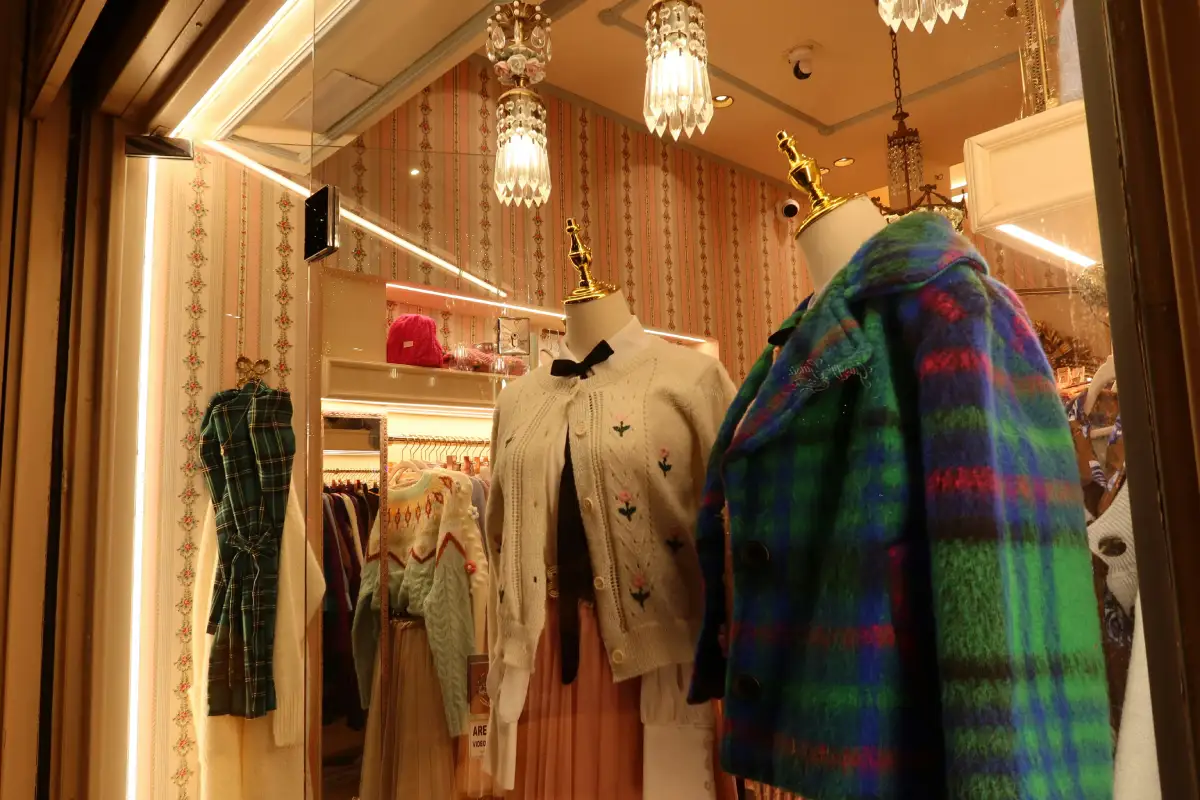
Gen Z Fashion and Sustainability: How Ethical Choices Are Shaping Clothing Trends

Gen Z Fashion and Sustainability: How Ethical Choices Are Shaping Clothing Trends

      Comments Off on Gen Z Fashion and Sustainability: How Ethical Choices Are Shaping Clothing Trends

Gen Z fashion has become closely connected to conversations around sustainability and ethics, especially in the United States where younger consumers increasingly evaluate clothing beyond appearance alone. For Generation Z, fashion choices are often shaped by environmental awareness, social responsibility, and long-term impact rather than short-term trend appeal. This shift has influenced how gen z clothing trends emerge, how brands operate, and how the fashion industry adapts to changing expectations.

Unlike previous generations, Generation Z grew up during heightened awareness of climate change, labor practices, and digital transparency. As a result, sustainability is not viewed as a niche category but as an integral part of modern fashion decision-making. Understanding how gen z fashion and sustainability intersect requires examining values, behaviors, and systemic changes rather than focusing only on eco-friendly materials or marketing claims.

Understanding Sustainability in the Context of Gen Z Fashion

Sustainability in gen z fashion extends beyond environmental protection. It includes ethical labor practices, responsible sourcing, durability, and accountability across the clothing lifecycle.

What Sustainability Means to Generation Z Consumers

For Generation Z, sustainable fashion often means making informed choices that align with personal values. This may involve purchasing fewer items, choosing longer-lasting garments, or supporting brands that demonstrate transparency. Sustainability is frequently evaluated through practical impact rather than abstract promises.

Environmental Awareness and Climate Concerns

Climate awareness plays a significant role in shaping generation z fashion trends. Many Gen Z consumers associate fast fashion with environmental harm, including waste and resource depletion. This awareness influences purchasing habits, encouraging alternatives such as second-hand clothing or reduced consumption.

Ethical Responsibility Beyond Materials

Sustainability also includes how clothing is made and who produces it. Ethical labor practices, fair wages, and safe working conditions are increasingly relevant factors in gen z clothing trends. Brands perceived as ignoring these concerns often struggle to maintain trust among younger audiences.

Why Sustainability Matters More to Gen Z Than Previous Generations

While sustainability has been discussed for decades, it holds particular importance for Generation Z due to timing, access to information, and cultural context.

Growing Up With Digital Transparency

Gen Z consumers have unprecedented access to information. Social media, investigative reporting, and peer discussions make it easier to identify unethical practices. This visibility shapes expectations and influences how gen z fashion trends develop.

Values-Driven Consumption Patterns

Many Gen Z consumers view purchasing as a form of participation. Clothing choices can reflect social values, making fashion a medium for expressing concern about environmental and ethical issues. This approach differs from earlier generations that often prioritized brand prestige or price over impact.

Long-Term Outlook on Environmental Impact

Generation Z is more likely to consider long-term consequences of consumption. This perspective aligns with sustainability goals such as waste reduction and circular fashion models, reinforcing why ethical considerations influence gen z clothing trends.

Sustainable Materials and Production in Gen Z Fashion

Materials and production methods are central to sustainability discussions, but Gen Z often evaluates them within a broader system.

Preference for Durable and Reusable Materials

Durability has become an important factor in gen z fashion. Clothing that lasts longer reduces waste and aligns with sustainability goals. Natural fibers, recycled materials, and thoughtfully designed synthetics are commonly associated with sustainable gen z clothing trends.

Ethical Manufacturing and Supply Chains

Transparency in manufacturing processes matters to Generation Z. Brands that openly share information about sourcing, labor conditions, and production methods are more likely to earn trust. This transparency influences purchasing decisions and shapes broader generation z fashion trends.

Avoiding Overproduction and Excess Inventory

Overproduction is increasingly viewed as unsustainable. Some brands are responding by producing limited collections or adopting made-to-order models. These practices resonate with Gen Z consumers who value responsible resource use.

The Role of Second-Hand, Thrift, and Resale in Gen Z Clothing Trends

Second-hand fashion plays a major role in how sustainability manifests in gen z fashion.

Normalization of Thrift Shopping

Thrift shopping is widely accepted among Gen Z as a mainstream option. Buying second-hand clothing reduces waste while allowing for unique personal style. This practice supports both sustainability goals and individuality.

Online Resale Platforms and Circular Fashion

Digital resale platforms make it easier for Gen Z to participate in circular fashion. Reselling, swapping, and reusing clothing extends product life cycles and reduces environmental impact. These behaviors significantly influence current generation z fashion trends.

Vintage Clothing as Sustainable Expression

Vintage fashion allows Gen Z consumers to engage with sustainability while exploring diverse aesthetics. Wearing older garments reduces demand for new production and supports a more responsible fashion ecosystem.

How Sustainability Influences Gen Z Fashion Trends

Sustainability affects not only what Gen Z buys but also how trends form and evolve.

Shift Away From Fast Fashion Dependence

While fast fashion remains accessible, many Gen Z consumers actively seek alternatives. Conscious avoidance of excessive purchasing has contributed to slower, more intentional trend cycles in gen z fashion.

Emphasis on Timeless and Versatile Styles

Versatility is increasingly valued. Clothing that can be worn in multiple settings or styled in different ways aligns with sustainability principles and influences gen z clothing trends toward adaptable designs.

Balancing Trend Participation With Responsibility

Gen Z does not entirely reject trends but often engages selectively. Incorporating trends without excessive consumption reflects a balanced approach that supports both personal expression and sustainability.

The Influence of Social Media on Sustainable Gen Z Fashion

Digital platforms play a critical role in spreading sustainability awareness.

Educational Content and Peer Influence

Social media creators frequently discuss ethical fashion, thrift finds, and sustainable practices. Peer-driven content often has more influence on Gen Z than traditional brand advertising.

Accountability and Brand Scrutiny

Brands face increased scrutiny through online discussions and reviews. Sustainability claims are often examined closely, reinforcing the importance of authenticity in generation z fashion trends.

Community-Driven Style Movements

Online communities centered on sustainability help shape collective fashion behaviors. These communities contribute to the normalization of ethical fashion within Gen Z culture.

Challenges and Limitations of Sustainable Fashion for Gen Z

Despite strong interest, sustainability presents practical challenges.

Accessibility and Price Considerations

Sustainable clothing is not always affordable or accessible. Price remains a barrier for some Gen Z consumers, particularly students or early-career individuals.

Confusion Around Sustainability Claims

Inconsistent definitions and marketing claims can create confusion. Gen Z consumers often need to navigate complex information when evaluating sustainability.

Balancing Idealism With Reality

While values are important, convenience and availability still influence purchasing decisions. Gen z clothing trends reflect this balance rather than absolute adherence to sustainability ideals.

How Brands Are Responding to Gen Z Sustainability Expectations

The fashion industry continues to adapt to Generation Z’s priorities.

Increased Transparency and Communication

Brands are investing in clearer communication around sourcing and production. Transparency builds trust and aligns with gen z fashion values.

Integration of Circular Fashion Models

Rental, resale, and repair services are becoming more common as brands respond to sustainability demands. These models align closely with generation z fashion trends.

Long-Term Strategic Shifts

Rather than short-term campaigns, brands are increasingly embedding sustainability into long-term strategies to remain relevant to Gen Z consumers.

The Global Impact of Gen Z Fashion and Sustainability

Although the United States is a primary market, Gen Z sustainability values have global influence.

Cross-Cultural Adoption of Ethical Fashion

Sustainability principles in gen z fashion are reflected across different regions, adapting to local cultures while maintaining shared values.

Influence on Global Supply Chains

Demand for ethical practices encourages changes throughout global supply chains, affecting production standards worldwide.

Shaping the Future of the Fashion Industry

As Generation Z becomes a dominant consumer group, sustainability-driven fashion trends are likely to influence industry norms on a global scale.

FAQs

What is the relationship between Gen Z fashion and sustainability?

Gen Z fashion integrates sustainability by emphasizing ethical production, reduced consumption, and long-term environmental responsibility in clothing choices.

Why does Generation Z care about sustainable fashion?

Generation Z values sustainability due to environmental awareness, social responsibility, and access to information about the fashion industry’s impact.

How do sustainable practices influence Gen Z clothing trends?

Sustainable practices encourage trends focused on durability, versatility, second-hand clothing, and mindful consumption rather than rapid trend cycles.

Is sustainable fashion affordable for Gen Z consumers?

Affordability varies, but many Gen Z consumers use thrift shopping and resale platforms to balance sustainability with budget considerations.

How are fashion brands adapting to Gen Z sustainability expectations?

Brands are increasing transparency, adopting ethical production methods, and integrating circular fashion models to align with Gen Z values.

Will sustainability continue to shape future Gen Z fashion trends?

Yes. Sustainability is expected to remain a core influence on generation z fashion trends as environmental and ethical concerns continue to grow.

Final Takeaway

Gen Z fashion and sustainability are deeply interconnected. Ethical considerations influence how trends form, how clothing is consumed, and how the fashion industry evolves. Rather than viewing sustainability as a passing trend, Generation Z treats it as an ongoing responsibility. As this generation continues to shape consumer markets, sustainability-driven fashion trends are likely to define the future of clothing in the United States and beyond.
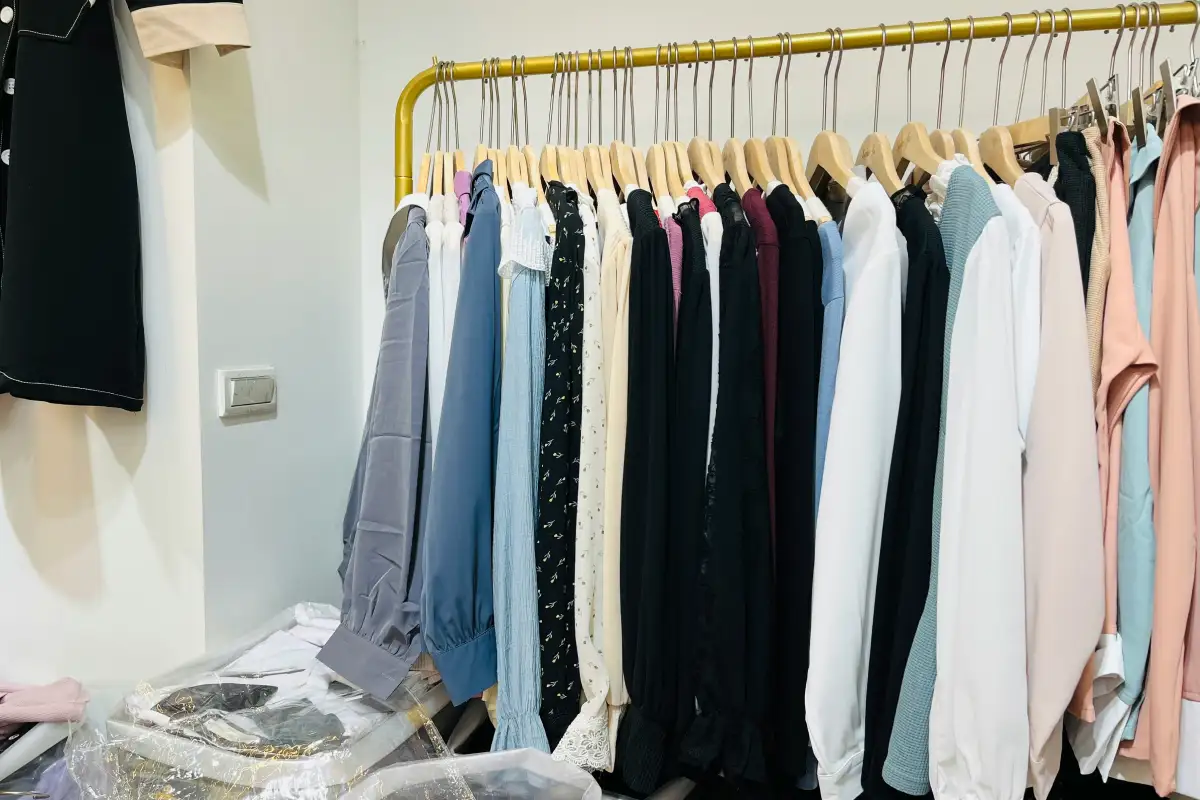
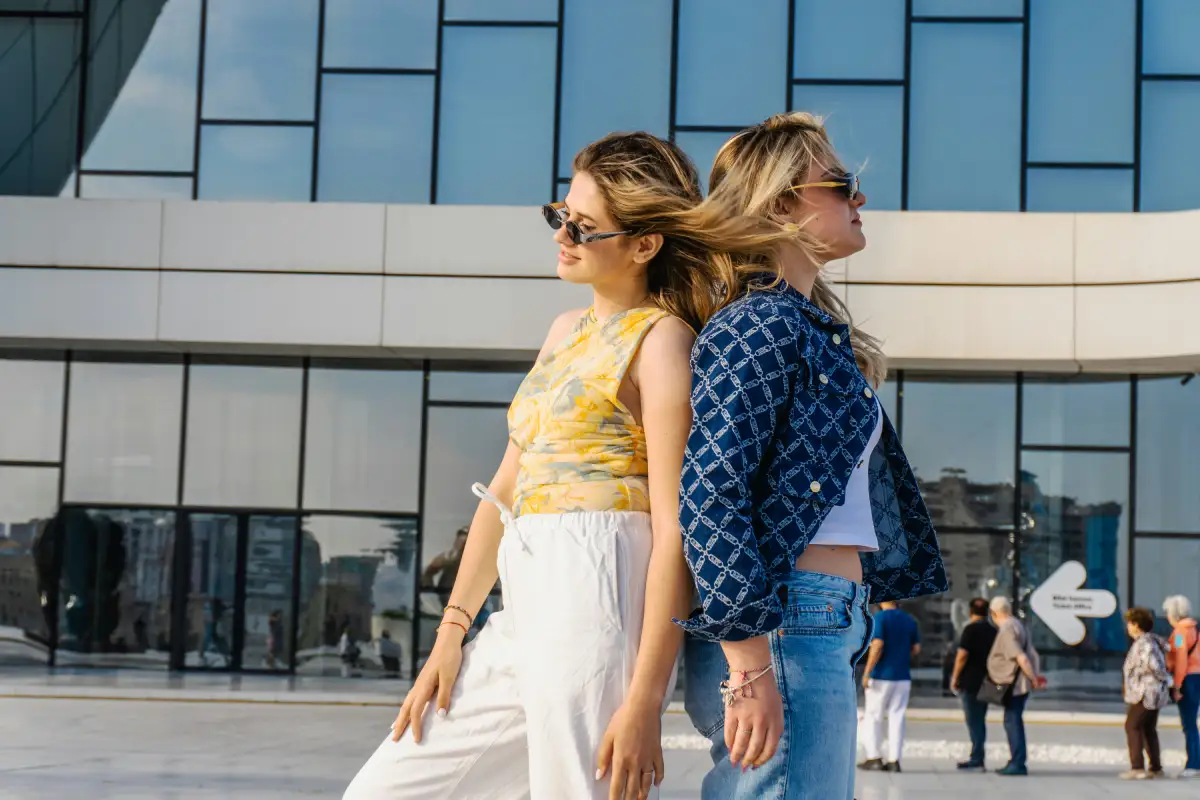
How Gen Z Shops for Clothing: Buying Habits, Values, and Preferences

How Gen Z Shops for Clothing: Buying Habits, Values, and Preferences

      Comments Off on How Gen Z Shops for Clothing: Buying Habits, Values, and Preferences

Generation Z has introduced a noticeable shift in how clothing is discovered, evaluated, and purchased. In the United States and globally, Gen Z shopping behavior reflects broader changes in technology use, cultural values, and economic awareness. Rather than following traditional retail patterns, Gen Z approaches clothing purchases as part of an ongoing decision-making process shaped by digital environments, peer influence, and personal priorities.

Understanding how Gen Z shops for clothing requires looking beyond where purchases happen. Their buying habits are closely tied to values such as authenticity, transparency, affordability, and flexibility. These preferences influence how gen z clothing stores operate, how gen z fashion brands communicate, and how the fashion industry adapts to a generation that evaluates more than just product appearance.

What Shapes Gen Z Clothing Buying Behavior?

Gen Z shopping habits are influenced by a combination of digital exposure, cultural awareness, and economic conditions. These factors collectively shape how young consumers interact with clothing brands and retail platforms.

Growing Up in a Digital-First Shopping Environment

Unlike previous generations, Gen Z has never known a world without online shopping. Mobile devices, social platforms, and instant access to information shape how clothing is discovered and evaluated. Gen Z consumers often encounter clothing through social content rather than through traditional advertising or storefront browsing.

This digital-first environment means that purchasing decisions often begin long before visiting a gen z clothing store or online retailer. Discovery, comparison, and evaluation frequently happen within social feeds and online communities.

Economic Awareness and Budget Sensitivity

Many Gen Z consumers entered adolescence during periods of economic uncertainty. As a result, price sensitivity plays a significant role in clothing purchases. Affordability is important, but it is balanced against perceived value, durability, and versatility.

Rather than buying large quantities of clothing, Gen Z often prioritizes items that can be styled in multiple ways. This approach reflects a practical mindset shaped by financial awareness and long-term thinking.

Where Gen Z Shops for Clothing Today

Gen Z shopping behavior spans both digital and physical environments, though online channels dominate discovery and purchasing.

Online Clothing Stores and Digital Marketplaces

Online shopping is central to how Gen Z buys clothing. E-commerce platforms, resale marketplaces, and brand websites all serve as common purchasing channels. Convenience, quick access to product information, and flexible return policies influence platform preference.

For many Gen Z shoppers, the ease of comparing prices and reading reviews is a key advantage of online gen z clothing stores. These tools allow consumers to make informed decisions without relying on in-store assistance.

Physical Retail and Experience-Driven Stores

While digital shopping dominates, physical retail remains relevant when it offers experiences rather than transactions alone. Gen Z is more likely to visit stores that provide interactive elements, community events, or opportunities to see and feel products before purchasing.

Physical retail often complements online shopping rather than replacing it. Many Gen Z consumers research online and purchase in-store, or vice versa, depending on convenience and availability.

How Gen Z Discovers New Clothing and Fashion Brands

Discovery plays a crucial role in shaping Gen Z shopping behavior. Rather than relying on brand-led campaigns, Gen Z often encounters clothing organically.

Social Media as a Discovery Tool

Social platforms serve as primary discovery channels for gen z fashion brands. Outfit videos, styling demonstrations, and user-generated content allow Gen Z consumers to see how clothing fits into real-life contexts.

Discovery through social media feels less transactional and more authentic, which aligns with Gen Z preferences. Clothing is often evaluated based on how it looks on different body types and how it fits into everyday routines.

Peer Influence and Community Recommendations

Peer influence plays a stronger role than celebrity endorsement. Friends, creators, and online communities often guide purchasing decisions. Reviews, comments, and shared experiences carry significant weight when evaluating clothing quality and brand credibility.

This reliance on community input reflects Gen Z’s preference for transparency and real-world feedback.

What Gen Z Values When Buying Clothing

Gen Z purchasing decisions are shaped by a combination of functional and ethical considerations.

Authenticity and Brand Transparency

Gen Z expects honesty from clothing brands. Clear communication about materials, pricing, and production processes builds trust. Brands that appear overly promotional or vague may struggle to connect with this audience.

Transparency helps Gen Z consumers feel confident that their purchases align with their values.

Sustainability and Ethical Considerations

Environmental awareness influences many Gen Z clothing purchases. While sustainability is not always the primary deciding factor, it often plays a supporting role. Gen Z shoppers may favor brands that demonstrate responsible sourcing, ethical labor practices, or reduced environmental impact.

Second-hand shopping, resale platforms, and vintage clothing are also popular choices that align with sustainability goals.

Comfort, Fit, and Practicality

Comfort is a consistent priority. Clothing that fits comfortably into daily routines is more likely to be purchased than trend-driven items that limit movement or versatility. This focus influences everything from fabric choices to silhouette preferences.

How Gen Z Evaluates Clothing Before Purchasing

Gen Z rarely makes impulsive clothing purchases without evaluation. Instead, they gather information from multiple sources before committing.

Reviews, Ratings, and User Feedback

Customer reviews and ratings play a central role in purchase decisions. Gen Z shoppers value detailed feedback that discusses fit, fabric quality, and real-world wear. Visual reviews, such as photos or videos, are particularly influential.

This emphasis on reviews reduces reliance on brand claims and increases trust in peer-generated content.

Comparison Shopping and Price Checking

Comparison shopping is common among Gen Z consumers. Access to multiple retailers and marketplaces allows them to compare prices, shipping policies, and return options easily.

This behavior encourages competition among gen z clothing stores and emphasizes the importance of clear value propositions.

The Role of Gen Z Fashion Brands in Purchasing Decisions

Gen Z fashion brands are evaluated differently than traditional fashion labels. Brand identity, communication style, and community engagement all influence purchasing behavior.

Brand Voice and Cultural Alignment

Gen Z responds to brands that communicate clearly and respectfully. Overly polished or corporate messaging may feel disconnected. Instead, brands that align with Gen Z culture without appearing forced tend to build stronger relationships.

Cultural awareness and inclusive messaging support long-term engagement rather than one-time purchases.

Small Labels and Independent Designers

Independent designers and smaller fashion brands often appeal to Gen Z because they feel more personal and transparent. Direct-to-consumer models allow for closer relationships between brands and buyers.

These brands often benefit from social discovery and community-driven growth rather than traditional advertising.

How Global Trends Influence Gen Z Shopping Behavior

While this article focuses on the USA as a primary market, Gen Z shopping behavior shows strong global similarities.

Shared Digital Culture Across Regions

Global access to social platforms means Gen Z consumers worldwide are exposed to similar fashion content. Trends often cross borders quickly, influencing purchasing behavior beyond local markets.

This shared digital culture contributes to the global relevance of many gen z fashion brands.

Regional Differences in Access and Pricing

Despite shared influences, regional differences in availability, pricing, and economic conditions affect purchasing behavior. Gen Z adapts global trends to local contexts, balancing aspiration with practicality.

How Gen Z Is Changing the Future of Clothing Retail

Gen Z shopping behavior is shaping how the fashion industry approaches retail and brand development.

Shift Toward Community-Driven Commerce

Brands increasingly focus on building communities rather than simply selling products. Engagement, interaction, and long-term relationships matter more than transactional success alone.

Emphasis on Flexibility and Choice

Flexible sizing, adaptable designs, and inclusive representation reflect Gen Z expectations. Retailers that prioritize these elements are better positioned to meet evolving demand.

Koray-Style FAQs (Search Intent Expansion)

How does Gen Z usually shop for clothing?

Gen Z typically shops through a combination of online platforms and selective physical stores, relying heavily on social media discovery, peer recommendations, and reviews before purchasing.

What do Gen Z consumers look for in clothing brands?

They value authenticity, transparency, comfort, and ethical practices. Brand communication style and cultural alignment also influence trust and loyalty.

Are Gen Z shoppers more likely to buy online or in stores?

Online shopping dominates, but physical stores remain relevant when they offer meaningful experiences or convenience.

Why are reviews important to Gen Z clothing buyers?

Reviews provide real-world insight into fit, quality, and wearability, helping Gen Z make informed purchasing decisions without relying solely on brand messaging.

How do Gen Z shopping habits differ from Millennials?

Gen Z places greater emphasis on peer influence, digital discovery, and value-based decision-making, while showing less attachment to brand loyalty.

Is sustainability a priority for Gen Z when buying clothes?

Sustainability often influences purchasing decisions, especially when combined with affordability and practicality, though it may not always be the primary factor.

Final Perspective

Gen Z shopping behavior reflects a thoughtful and adaptive approach to clothing consumption. Their buying habits emphasize flexibility, transparency, and personal relevance over traditional retail norms. As gen z clothing stores and gen z fashion brands continue to evolve, understanding these preferences provides valuable insight into the future of fashion retail in the United States and beyond.

From Millennials to Gen Z: How Fashion Preferences Have Changed Over Time

From Millennials to Gen Z: How Fashion Preferences Have Changed Over Time

      Comments Off on From Millennials to Gen Z: How Fashion Preferences Have Changed Over Time

Fashion trends often reflect deeper cultural, economic, and technological shifts. The transition from millennial fashion to generation z fashion is not simply a change in clothing styles, but a reflection of how two generations respond to identity, consumption, and social influence. While both groups value self-expression, the motivations, structures, and behaviors behind their fashion choices differ in meaningful ways.

In the United States and globally, Millennials came of age during the rise of fast fashion, early social media, and aspirational branding. Generation Z, by contrast, entered adulthood in a world shaped by constant digital exposure, economic uncertainty, and increased awareness of social and environmental issues. These conditions have influenced how each generation approaches clothing, trends, and personal style.

Understanding how fashion preferences have evolved from Millennials to Gen Z provides valuable insight into broader cultural changes that continue to shape the modern fashion industry.

Understanding Fashion as a Generational Marker

Fashion functions as a generational signal, shaped by shared experiences rather than age alone. Each generation adopts clothing styles that align with its social environment, economic conditions, and communication tools.

How Generations Influence Fashion Norms

Generations do not invent fashion in isolation. Instead, they reinterpret existing styles through their own cultural lens. Millennial fashion was influenced by the transition from physical to digital media, while gen z fashion developed within fully digital ecosystems where trends circulate continuously and globally.

Fashion as a Reflection of Cultural Change

Fashion preferences often reflect responses to major cultural moments. Economic recessions, technological innovation, and shifts in workplace norms influence how people dress. These factors help explain why millennial fashion emphasized polish and branding, while generation z fashion prioritizes flexibility and individuality.

The Foundations of Millennial Fashion

Millennial fashion emerged during a period of relative economic optimism followed by financial disruption. These contrasting experiences shaped how Millennials approached clothing and personal presentation.

The Rise of Fast Fashion and Accessibility

Fast fashion brands expanded rapidly during the Millennial era, making trend-based clothing widely accessible. Millennials embraced seasonal trends and affordable updates to their wardrobes, reinforcing a cycle of frequent purchasing and style turnover.

Branding, Logos, and Aspirational Style

Logos and recognizable brands played a central role in millennial fashion. Wearing specific labels often signaled social status, professionalism, or lifestyle alignment. This approach reflected broader aspirational marketing trends of the time.

Minimalism and Coordinated Outfits

Millennial style trends frequently emphasized coordination and visual cohesion. Clean silhouettes, neutral color palettes, and structured outfits aligned with workplace expectations and social media aesthetics focused on curated imagery.

The Emergence of Generation Z Fashion

Generation Z fashion developed under different conditions. Growing up with smartphones and social platforms shaped how Gen Z interacts with trends, brands, and self-expression.

Digital-Native Style Formation

Unlike Millennials, Gen Z did not experience a transition into digital culture. Fashion inspiration for Generation Z is immediate, visual, and peer-driven. Trends spread through short-form content rather than traditional fashion channels.

Individuality Over Uniform Trends

Generation Z clothing styles often resist uniformity. Instead of following a single dominant trend, Gen Z mixes influences freely. Gen z fashion frequently blends vintage, streetwear, and contemporary elements within a single outfit.

Comfort, Function, and Versatility

Comfort plays a larger role in gen z fashion than in millennial fashion. Oversized fits, relaxed silhouettes, and adaptable clothing reflect changing lifestyle needs, including remote work, hybrid education, and casual social environments.

Key Differences Between Millennial Fashion and Gen Z Fashion

Comparing millennial fashion and generation z fashion highlights broader shifts in values and behavior.

Approach to Trends and Trend Cycles

Millennials often followed seasonal trends promoted by brands and retailers. Gen Z engages with faster, decentralized trend cycles driven by social media. Trends may rise and fall quickly, encouraging selective adoption rather than full participation.

Brand Loyalty vs Brand Skepticism

Millennials tended to develop loyalty to specific brands. Gen Z approaches brands with greater skepticism, evaluating them based on values, transparency, and authenticity rather than reputation alone.

Polished Looks vs Experimental Styling

Millennial fashion emphasized polished presentation suitable for professional environments. Gen Z favors experimentation, layering, and contrast, often prioritizing personal comfort over formal appearance.

The Role of Social Media in Shaping Fashion Preferences

Social media platforms have influenced both generations, but in different ways.

Millennial Use of Early Social Platforms

Millennials adopted platforms such as Facebook and Instagram as emerging technologies. Fashion content often centered on aspirational lifestyles and curated visuals, reinforcing idealized standards.

Gen Z and Short-Form Visual Platforms

Gen Z primarily engages with short-form, algorithm-driven platforms that promote rapid discovery. Fashion inspiration comes from peers and creators rather than established fashion authorities.

Democratization of Fashion Influence

Generation Z has contributed to the decentralization of fashion influence. Anyone can shape trends, reducing reliance on traditional designers and fashion publications.

Sustainability and Ethical Awareness Across Generations

Sustainability plays different roles in millennial fashion and gen z fashion.

Millennial Interest in Ethical Fashion

Many Millennials became aware of sustainability issues as adults. Ethical fashion emerged as a secondary consideration alongside price and availability.

Gen Z and Value-Driven Consumption

Generation Z tends to integrate sustainability earlier into purchasing decisions. Thrift shopping, resale platforms, and reduced consumption reflect broader concerns about environmental impact.

Shifting Industry Responses

Fashion brands have adapted messaging and production practices to align with Gen Z expectations, emphasizing transparency and responsible sourcing.

How Economic Conditions Shape Fashion Choices

Economic context influences how each generation approaches clothing.

Millennials and Post-Recession Fashion

The financial crisis shaped millennial attitudes toward career progression and professional presentation. Fashion often reflected aspirations toward stability and success.

Gen Z and Economic Uncertainty

Generation Z faces ongoing economic uncertainty, influencing a more cautious and flexible approach to spending. Clothing choices often prioritize longevity and adaptability.

Workplace Culture and Its Impact on Fashion

Changes in workplace norms have affected generational fashion preferences.

Millennial Professional Dress Codes

Millennials entered workplaces with clearer expectations around professional attire. Business casual became standard, influencing everyday fashion choices.

Gen Z and Flexible Workwear

Gen Z entered the workforce during shifts toward remote and hybrid work. This has normalized casual, versatile clothing suitable for multiple environments.

Global Influence and Cultural Exchange

Both generations participate in global fashion trends, but the scale and speed differ.

Millennial Global Fashion Exposure

Millennials experienced global fashion through media and travel, often adopting trends after they gained mainstream visibility.

Gen Z and Instant Global Access

Gen Z engages with global fashion communities in real time. Cultural exchange happens instantly, influencing local styles worldwide.

How the Fashion Industry Responds to Generational Change

The evolution from millennial fashion to gen z fashion has reshaped industry strategies.

Product Design and Fit Evolution

Brands have adapted sizing, silhouettes, and materials to reflect Gen Z preferences for comfort and inclusivity.

Marketing and Communication Shifts

Marketing strategies now emphasize community engagement and authenticity rather than aspirational messaging.

Long-Term Industry Transformation

Generation Z’s influence continues to shape how fashion is designed, produced, and consumed globally.

What This Evolution Means for the Future of Fashion

The transition from millennial to gen z fashion reflects broader cultural change rather than temporary trends. As Generation Z continues to mature, their approach to clothing is likely to influence future generations and industry norms.

Fashion will increasingly prioritize adaptability, personal expression, and ethical considerations over rigid trend cycles and status-driven consumption.

FAQs

How is Gen Z fashion different from millennial fashion?

Gen Z fashion emphasizes individuality, comfort, and values-driven consumption, while millennial fashion focused more on branding, coordination, and aspirational style.

Why does Gen Z prefer oversized and casual clothing?

Comfort, flexibility, and changing lifestyle patterns influence Gen Z’s preference for relaxed silhouettes and adaptable clothing.

Is sustainability more important to Gen Z than Millennials?

Both generations value sustainability, but Gen Z tends to integrate ethical considerations earlier into fashion decisions.

How has social media changed fashion trends across generations?

Social media shifted fashion influence from brands to individuals, with Gen Z accelerating trend cycles through short-form digital platforms.

Does Gen Z follow fashion trends less than Millennials?

Gen Z engages with trends selectively, often blending influences rather than adopting complete trend looks.

Will Gen Z fashion influence future generations?

Yes. Gen Z’s emphasis on authenticity, inclusivity, and flexibility is likely to shape long-term fashion norms.