
Millennial vs Gen Z Fashion: How Two Generations Approach Style Differently

Millennial vs Gen Z Fashion: How Two Generations Approach Style Differently

      Comments Off on Millennial vs Gen Z Fashion: How Two Generations Approach Style Differently

Fashion reflects generational attitudes toward culture, identity, and consumption. In the United States and across global markets, the contrast between millennial vs Gen Z fashion highlights how social, technological, and economic changes shape personal style. While both generations value self-expression, their clothing choices differ in motivation, execution, and long-term outlook.

Millennials came of age during the rise of fast fashion, social media expansion, and aspirational branding. Generation Z, by contrast, grew up in an environment defined by digital saturation, economic uncertainty, and increased awareness of sustainability and social responsibility. These differences have influenced how each generation approaches clothing, trends, and fashion identity.

Understanding gen z vs millennials fashion is not about ranking one generation over the other. Instead, it provides insight into how fashion evolves alongside cultural values, helping brands, creators, and consumers better interpret modern style shifts.

Clarifying the Generational Context

Before comparing style choices, it is important to understand the generational context that shaped each group’s relationship with fashion.

Who Are Millennials?

Millennials, often defined as those born between the early 1980s and mid-1990s, experienced the transition from analog to digital culture. Their fashion habits were influenced by early social media, celebrity culture, and rapid expansion of global retail brands. Clothing often functioned as a symbol of aspiration, professionalism, and lifestyle goals.

Who Are Gen Z Consumers?

Generation Z generally includes individuals born from the late 1990s through the early 2010s. Gen Z is fully digital-native, with constant access to online communities and global trends. Fashion for this generation is less about aspiration and more about authenticity, adaptability, and personal relevance.

Core Differences Between Millennial and Gen Z Fashion

The contrast between millennial fashion and gen z fashion becomes clearer when examining underlying priorities rather than surface-level trends.

Approach to Fashion Identity

Millennials often embraced fashion as a way to project stability, success, or belonging. Coordinated outfits, polished aesthetics, and recognizable brands were commonly used to signal identity.

Gen Z fashion, however, treats identity as fluid. Clothing choices shift based on mood, environment, and social context. Gen Z is more comfortable experimenting with contrasting styles and redefining what “fashionable” means on an individual level.

Millennial Style Characteristics

Millennial fashion developed during a period of economic optimism followed by financial disruption, which influenced how clothing was perceived and used.

Preference for Polished and Curated Looks

Millennial style trends often emphasized clean silhouettes, fitted clothing, and cohesive color palettes. Popular millennial outfits were designed to transition easily between professional and social settings.

Brand Loyalty and Recognition

Millennials were more likely to associate quality and status with well-known brands. Logos, designer labels, and recognizable silhouettes played an important role in millennial clothing choices.

Influence of Early Social Media and Celebrity Culture

Platforms such as Instagram and fashion blogs shaped millennial fashion trends. Celebrity endorsements and influencer aesthetics contributed to more uniform style adoption across regions.

Gen Z Style Characteristics

Gen Z fashion reflects a different relationship with consumption, driven by digital immediacy and cultural awareness.

Emphasis on Comfort and Functionality

Comfort is central to gen z clothing style. Oversized fits, relaxed silhouettes, and adaptable garments are common. Clothing is expected to support daily activities rather than conform to rigid fashion standards.

Reduced Emphasis on Brand Status

In gen z vs millennials fashion comparisons, brand perception is one of the clearest differences. Gen Z often prioritizes originality and values over brand recognition. Thrifted items, small labels, and unbranded clothing hold equal cultural value.

Acceptance of Fashion Experimentation

Gen Z style encourages mixing influences that once seemed incompatible. Vintage clothing may be paired with modern streetwear, reflecting a flexible approach to aesthetics.

Differences in Trend Adoption and Longevity

Trends play different roles for each generation.

Millennial Relationship With Fashion Trends

Millennials tended to adopt trends seasonally, often guided by retail cycles and fashion media. Trends were expected to last long enough to justify investment in new clothing.

Gen Z Relationship With Fashion Trends

Gen Z fashion trends emerge and fade rapidly, largely driven by digital platforms. Rather than committing fully to trends, Gen Z often adopts elements selectively, integrating them into existing wardrobes.

Shopping Behavior and Consumption Patterns

How each generation shops further distinguishes their fashion approach.

Millennial Shopping Habits

Millennials embraced online shopping as it became mainstream but still valued physical retail experiences. Brand trust and convenience were significant factors in purchasing decisions.

Gen Z Shopping Habits

Gen Z is highly mobile-first. Social commerce, peer recommendations, and creator-driven discovery influence purchasing behavior. Transparency around pricing, ethics, and production is often more important than brand history.

Sustainability and Ethical Fashion Perspectives

Sustainability marks a key shift in the comparison between millennials vs gen z fashion.

Millennial Sustainability Awareness

While many millennials value sustainability, it often emerged later in their consumer journey. Ethical considerations were sometimes secondary to affordability or convenience.

Gen Z Sustainability Expectations

For Gen Z, sustainability is increasingly integrated into fashion decision-making. Thrift culture, resale platforms, and reduced consumption reflect a broader awareness of environmental impact.

Gender Expression and Inclusivity in Fashion

Fashion norms around gender have evolved significantly between generations.

Millennial Gender Norms in Clothing

Millennial fashion generally followed traditional gender categories, even as unisex trends began to emerge toward the later years of the generation.

Gen Z and Gender-Neutral Fashion

Gen Z embraces gender-neutral clothing more openly. Oversized fits, shared wardrobes, and unisex designs reflect broader cultural shifts toward inclusivity and self-definition.

Cultural and Economic Influences on Style

External factors help explain generational differences in fashion.

Economic Context

Millennials entered adulthood during economic uncertainty but still experienced periods of consumer optimism. Gen Z, however, has grown up amid ongoing economic challenges, shaping more cautious consumption habits.

Digital Saturation and Cultural Exposure

Gen Z’s constant exposure to global cultures through digital platforms accelerates style evolution. This contributes to a more diverse and fragmented fashion landscape compared to millennial trends.

How Brands Adapt to Both Generations

Brands operating in the United States and globally must balance the preferences of both generations.

Marketing to Millennials

Millennial-focused marketing often highlights lifestyle imagery, brand heritage, and long-term value.

Marketing to Gen Z

Gen Z responds more positively to transparency, community engagement, and authentic storytelling. Brands are increasingly adjusting messaging to reflect these expectations.

Long-Term Impact on the Fashion Industry

The interaction between millennial and gen z fashion continues to shape industry standards.

Millennials contributed to the rise of digital retail and influencer marketing. Gen Z is redefining how trends form, how brands communicate, and how fashion aligns with social values. Together, these generations influence design, production, and distribution models across the global fashion industry.

Millennial vs Gen Z Fashion: A Summary Perspective

Comparing millennial vs gen z fashion reveals broader cultural shifts rather than simple aesthetic differences. Millennials often approached fashion as a tool for aspiration and cohesion, while Gen Z views clothing as an evolving form of personal expression. Both perspectives continue to coexist, influencing how fashion adapts to changing social and economic landscapes.

Frequently Asked Questions

How is Gen Z fashion different from millennial fashion?

Gen Z fashion prioritizes comfort, individuality, and adaptability, while millennial fashion often focused on curated looks, brand recognition, and cohesive style identities.

Why does Gen Z prefer oversized and relaxed clothing?

Oversized clothing aligns with Gen Z’s emphasis on comfort, flexibility, and self-expression, reflecting lifestyle changes and cultural influences.

Do Millennials and Gen Z follow fashion trends differently?

Yes. Millennials often followed seasonal trends, while Gen Z adopts trends selectively and temporarily, influenced by digital platforms.

Is sustainability more important to Gen Z than Millennials?

Sustainability plays a more central role in Gen Z fashion decisions, with greater emphasis on thrift culture, resale, and ethical production.

Can brands appeal to both Millennials and Gen Z?

Brands can appeal to both generations by balancing quality and transparency, while adjusting messaging and engagement strategies to match generational values.

Will Gen Z fashion influence future generations?

Gen Z’s approach to fashion is likely to influence future generations by normalizing individuality, sustainability, and flexible style systems.

Final Note

Millennial vs Gen Z fashion comparisons highlight how clothing reflects broader generational experiences. Rather than replacing one another, these styles coexist and interact, shaping an increasingly diverse and adaptive fashion landscape in the United States and beyond.
gen-z-mens-fashion

Gen Z Men’s Fashion: How Generation Z Men Dress in Modern America

      Comments Off on Gen Z Men’s Fashion: How Generation Z Men Dress in Modern America

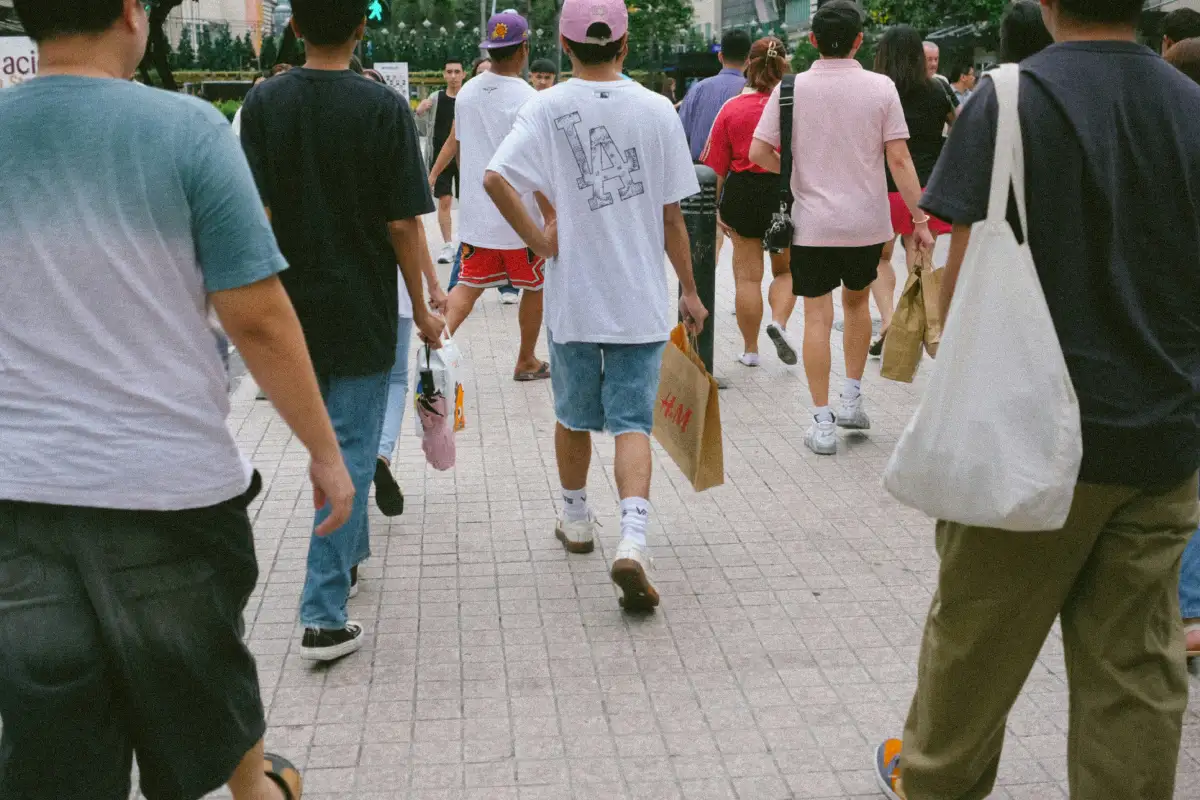
Gen Z men’s fashion reflects a broader cultural shift in how young men approach clothing, identity, and self-presentation. Rather than following rigid style rules or predefined trends, Generation Z men tend to build wardrobes that prioritize comfort, flexibility, and personal relevance. Clothing is often viewed as a practical extension of lifestyle rather than a statement of status or formality. As a result, gen z men fashion is less about dressing to impress and more about dressing to function within everyday environments.

In the United States, these fashion choices are shaped by digital culture, evolving workplace norms, and greater acceptance of diverse expressions of masculinity. Similar patterns can be observed globally, making Generation Z men’s fashion a relevant topic beyond a single market. Understanding how Gen Z men dress requires examining not just what they wear, but why those choices resonate within their social and cultural context.

What Defines Gen Z Men’s Fashion?

Gen Z men’s fashion is defined by adaptability rather than uniformity. There is no single silhouette or style that represents all Generation Z men. Instead, clothing choices are shaped by lifestyle, digital influence, and individual comfort preferences.

Comfort as a Core Principle

Comfort plays a central role in gen z men fashion. Relaxed fits, breathable fabrics, and versatile garments dominate everyday wardrobes. Items such as hoodies, loose-fitting trousers, and casual outerwear are common because they support long periods of wear across multiple settings, including work, study, and social activities.

Flexibility Over Formality

Traditional menswear categories such as “formal” and “casual” are increasingly blurred. Many Gen Z men prefer clothing that can transition easily between environments. This has contributed to the popularity of adaptable outfits that balance structure with ease, rather than strict dress codes.

Personal Expression Without Excess

While self-expression matters, Gen Z men often avoid overly performative fashion. Clothing choices tend to reflect subtle individuality rather than dramatic statements. This balance allows for personal style without relying on attention-seeking designs or exaggerated trends.

How Gen Z Men’s Fashion Differs From Previous Generations

Comparing gen z men fashion to millennial or Generation X styles highlights important generational shifts in attitude and consumption.

Moving Away From Rigid Menswear Norms

Earlier generations often associated men’s fashion with fixed rules around tailoring, grooming, and professionalism. Gen Z men are more likely to challenge these expectations, choosing clothing based on comfort and relevance rather than tradition.

Reduced Emphasis on Status Dressing

Logos, luxury branding, and formal attire were once key indicators of success. Gen Z men place less importance on visible status markers. Instead, authenticity and practicality influence purchasing decisions more than brand recognition.

Digital-First Style Development

Generation Z grew up with constant access to online platforms, shaping how trends are discovered and adopted. Unlike previous generations, Gen Z men often draw inspiration from peers, creators, and communities rather than fashion authorities.

Core Influences Shaping Gen Z Men’s Fashion Choices

Understanding how Gen Z men dress requires examining the influences that shape their preferences.

Social Media and Online Communities

Social platforms play a central role in exposing Gen Z men to diverse fashion perspectives. Outfit inspiration often comes from everyday individuals rather than professional models. This encourages relatable and accessible clothing choices rather than aspirational ones.

Street Culture and Everyday Wear

Streetwear remains a significant influence in gen z men fashion. Elements such as relaxed silhouettes, layered outfits, and casual footwear reflect broader urban culture rather than seasonal runway trends.

Economic and Lifestyle Considerations

Many Gen Z men prioritize affordability and versatility. Clothing that serves multiple purposes is often favored over specialized pieces. This practical mindset shapes both purchasing habits and overall wardrobe structure.

Common Clothing Pieces in Gen Z Men’s Wardrobes

Rather than relying on trend-specific items, Gen Z men often build wardrobes around core pieces that support daily routines.

Tops and Outerwear

Hoodies, sweatshirts, relaxed-fit shirts, and lightweight jackets are common in gen z outfits male categories. These items provide comfort while allowing for layering across different climates and settings.

Pants and Bottoms

Loose-fitting jeans, straight-leg trousers, joggers, and casual pants are widely worn. The popularity of baggy silhouettes reflects both comfort preferences and changing style norms around men’s clothing.

Footwear and Accessories

Footwear choices often prioritize function, with sneakers and casual shoes dominating everyday wear. Accessories are typically minimal, focusing on utility rather than decoration.

Popular Gen Z Men’s Fashion Styles and Aesthetics

Although Generation Z men avoid strict labels, certain style patterns appear consistently across regions.

Relaxed Streetwear Aesthetic

This style emphasizes loose fits, neutral colors, and practical layering. It reflects everyday functionality rather than curated fashion statements.

Minimal and Utility-Inspired Looks

Some Gen Z men prefer minimalist wardrobes built around neutral tones and durable materials. Utility-inspired designs appeal to those who value longevity and versatility.

Vintage and Second-Hand Influences

Thrifted clothing and vintage pieces are common in gen z men fashion. These items allow for individuality while supporting sustainability goals and cost awareness.

Gen Z Men’s Fashion in Work, Social, and Casual Settings

One defining feature of Generation Z men’s fashion is its adaptability across environments.

Casual and Everyday Wear

Casual outfits dominate daily life, especially in educational and social settings. Comfort and ease of movement guide clothing choices more than appearance alone.

Workplace and Professional Environments

As workplaces adopt more flexible dress codes, Gen Z men favor smart-casual outfits that balance professionalism with comfort. Structured jackets, relaxed trousers, and simple footwear are common choices.

Social and Evening Outfits

For social occasions, Gen Z men often adjust fit and layering rather than switching to entirely different wardrobes. This approach reflects a preference for consistency over dramatic outfit changes.

Sustainability and Values in Gen Z Men’s Fashion

Values play an increasingly important role in how Generation Z men approach fashion.

Ethical and Environmental Awareness

Many Gen Z men consider sustainability when selecting clothing. This includes interest in responsible materials, ethical production, and reduced waste.

Preference for Longevity Over Trends

Rather than constantly replacing clothing, Gen Z men often aim to build wardrobes that last. This mindset supports sustainable consumption and reduces reliance on short-term trends.

How Gen Z Men Shop for Clothing

Shopping behavior provides insight into how fashion choices are made.

Online-First Discovery

Most Gen Z men discover clothing online through social platforms, digital storefronts, and peer recommendations. Physical retail plays a secondary role unless it offers convenience or experience-based value.

Importance of Brand Transparency

Clear communication about pricing, sourcing, and values influences purchasing decisions. Gen Z men are more likely to trust brands that provide straightforward information.

Balancing Price and Quality

Affordability matters, but not at the expense of comfort or durability. Clothing that balances reasonable pricing with quality construction tends to resonate most with this audience.

How to Build a Gen Z Men’s Style Without Following Every Trend

Adopting gen z men fashion does not require constant trend awareness.

Prioritize Fit and Comfort

Choosing clothing that suits body type and daily activities is more important than copying specific outfits.

Select Versatile Pieces

Items that can be worn in multiple settings reduce the need for frequent wardrobe updates.

Focus on Personal Preferences

Gen Z men’s fashion encourages individuality. Building a style that reflects personal interests leads to more consistent and confident dressing.

The Broader Impact of Gen Z Men’s Fashion

Generation Z men are influencing how fashion brands approach design, marketing, and production.

Shifts in Menswear Design

Designers increasingly emphasize comfort, flexibility, and inclusivity in response to Gen Z preferences.

Changing Marketing Approaches

Brands rely less on traditional advertising and more on community-driven communication to connect with younger audiences.

Long-Term Influence on Men’s Fashion Norms

The emphasis on comfort, values, and individuality suggests lasting changes in how men’s fashion will be defined in the future.

FAQs: Gen Z Men’s Fashion

What is gen z men’s fashion?

Gen Z men’s fashion refers to the clothing styles and preferences commonly associated with Generation Z men, emphasizing comfort, adaptability, and personal expression rather than rigid fashion rules.

How do Gen Z men usually dress?

Most Gen Z men dress in relaxed, casual clothing that supports everyday activities. Loose-fitting pants, hoodies, and versatile outerwear are common choices.

How is Gen Z men’s fashion different from millennial men’s fashion?

Gen Z men place less emphasis on formal dressing and brand status. They tend to prioritize comfort, flexibility, and values over polished or logo-driven styles.

Are Gen Z men interested in fashion trends?

Gen Z men are aware of trends but often adopt them selectively. Practical relevance and personal comfort usually matter more than trend participation.

Is sustainability important in gen z men fashion?

Yes. Many Gen Z men consider sustainability and ethical production when choosing clothing, favoring durable and responsibly made items.

Can gen z men’s fashion apply outside the USA?

Yes. While influenced by American culture, gen z men fashion reflects global shifts in lifestyle, digital culture, and consumer values.


Final Thought

Gen Z men’s fashion represents a shift toward clothing that supports real life rather than idealized appearances. By prioritizing comfort, adaptability, and authenticity, Generation Z men are redefining what modern menswear looks like in the United States and beyond. This approach is shaping the future of men’s fashion in ways that extend far beyond temporary trends.

Gen Z Women’s Fashion: How Young Women Shape Style, Clothing Choices, and Trends

Gen Z Women’s Fashion: How Young Women Shape Style, Clothing Choices, and Trends

      Comments Off on Gen Z Women’s Fashion: How Young Women Shape Style, Clothing Choices, and Trends

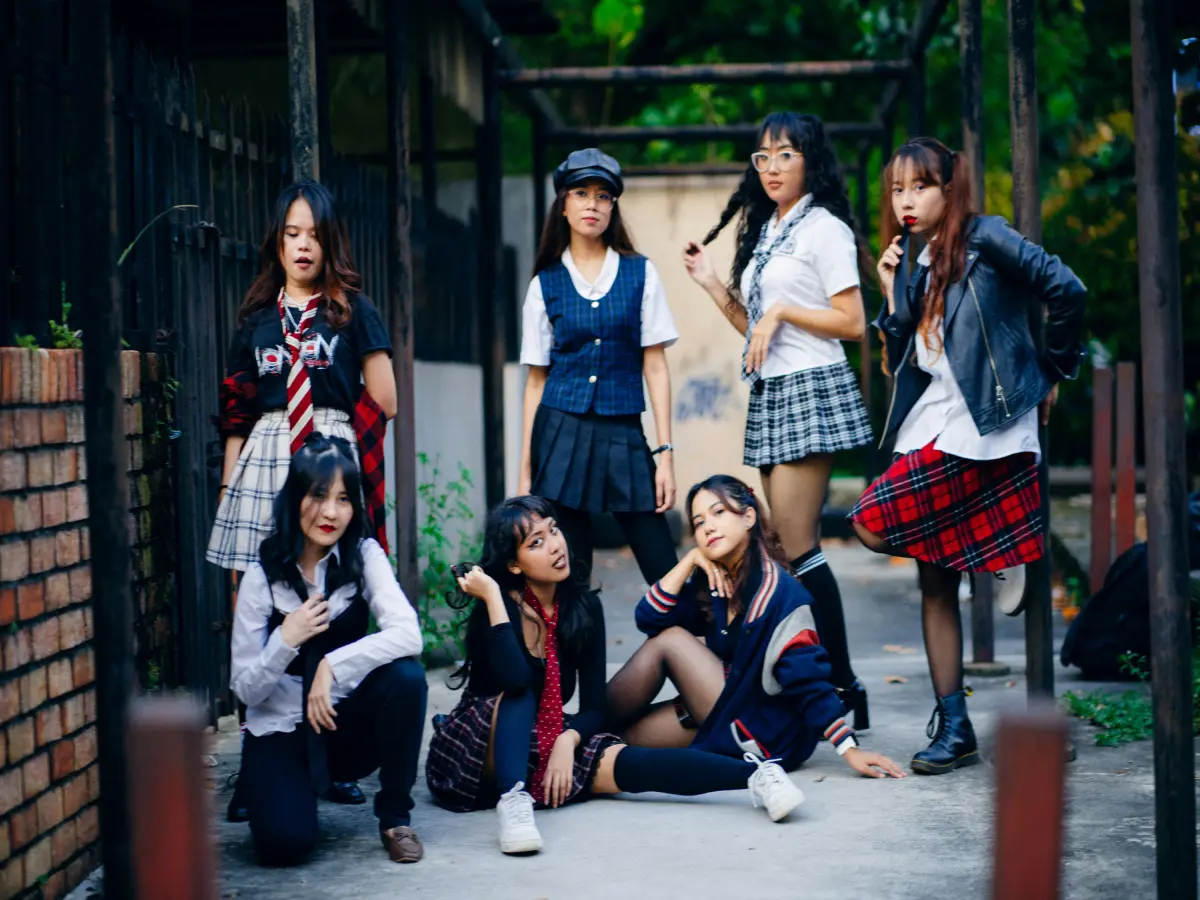
Gen Z women’s fashion reflects a broader cultural shift in how young women engage with clothing, identity, and self-expression. Rather than following fixed trends or seasonal fashion cycles, Generation Z women tend to build personal style systems shaped by comfort, values, and digital influence. In the United States and increasingly worldwide, gen z women’s fashion emphasizes flexibility, individuality, and cultural awareness over traditional ideas of conformity or status dressing.

For many young women, clothing is not only about appearance but also about alignment with personal beliefs and daily lifestyles. Gen z style women often prioritize authenticity, inclusivity, and adaptability, resulting in fashion choices that evolve continuously rather than following rigid definitions. Understanding how Generation Z women approach fashion requires examining cultural influences, shopping behaviors, and the changing role of clothing in everyday life.

What Defines Gen Z Women’s Fashion?

Gen Z women’s fashion is defined less by uniform trends and more by individual interpretation. There is no single aesthetic that represents all young women within Generation Z. Instead, style is shaped by personal identity, social context, and access to global inspiration.

Fashion as Personal Expression Rather Than Rules

For Gen Z women, clothing functions as a tool for expressing mood, values, and identity. Outfits are often curated based on how they feel rather than how closely they align with traditional fashion standards. This approach encourages experimentation with silhouettes, colors, and layering, making gen z women’s fashion highly adaptable and personal.

Comfort and Practicality as Style Foundations

Comfort plays a central role in gen z clothing choices. Many young women prefer relaxed fits, breathable fabrics, and versatile pieces that support active and hybrid lifestyles. This shift has influenced the popularity of oversized tops, loose trousers, and multifunctional wardrobe staples.

Inclusivity and Representation in Style Choices

Diversity and representation strongly influence gen z style women. Exposure to a wide range of cultures and body types through digital media has expanded what is considered fashionable. As a result, Generation Z women often gravitate toward brands and styles that reflect inclusivity rather than narrow ideals.

How Gen Z Women’s Fashion Differs From Previous Generations

Comparing gen z women’s fashion with earlier generations highlights meaningful changes in how young women relate to clothing and trends.

From Trend Adoption to Style Personalization

Previous generations often followed dominant fashion trends promoted by designers or media outlets. In contrast, Gen Z women personalize trends, selecting elements that fit their individual preferences rather than adopting entire looks.

Changing Attitudes Toward Brand Identity

While brand recognition once played a central role in women’s fashion, Gen Z places less emphasis on labels and more on originality and values. Smaller brands, thrifted items, and unbranded clothing frequently appear in gen z women’s outfits.

Redefining Femininity Through Clothing

Gen Z women approach femininity with greater flexibility. Clothing choices may blend traditionally feminine, masculine, or neutral elements depending on context and comfort. This fluidity reflects broader cultural shifts toward self-defined identity.

Core Influences Shaping Gen Z Women’s Style

Several interconnected factors shape how Generation Z women develop their fashion preferences.

Social Media and Digital Inspiration

Platforms such as TikTok, Instagram, and YouTube serve as primary sources of fashion inspiration for Gen Z women. Rather than relying on traditional fashion media, young women observe real people styling outfits in everyday settings, which makes fashion feel more accessible and relatable.

Cultural and Community Influences

Music, art, and online communities play a significant role in shaping gen z women’s fashion. Styles inspired by street culture, creative subcultures, and global trends are often adapted to fit local contexts.

Sustainability and Ethical Awareness

Environmental and ethical considerations influence many Gen Z women’s clothing decisions. Awareness of fast fashion impacts has led to increased interest in second-hand clothing, sustainable materials, and mindful consumption.

Popular Clothing Styles Among Gen Z Women

Gen Z women’s fashion includes a wide range of styles that coexist rather than compete.

Relaxed Silhouettes and Everyday Wear

Oversized sweaters, loose denim, and comfortable dresses are common in gen z women’s fashion. These pieces offer versatility and ease, supporting both casual and semi-formal settings.

Vintage-Inspired and Thrifted Looks

Vintage clothing and thrifted finds allow Gen Z women to build unique wardrobes while supporting sustainability. Mixing older styles with modern pieces is a defining feature of many gen z outfits.

Minimalist and Neutral Aesthetics

Some Gen Z women prefer minimalist wardrobes centered around neutral colors and timeless silhouettes. These styles prioritize longevity and ease of coordination over frequent trend changes.

Expressive and Statement-Driven Outfits

At the same time, expressive outfits featuring bold accessories, layered textures, or distinctive prints remain popular. This duality highlights the diversity within gen z women’s fashion rather than a single dominant aesthetic.

Gen Z Women’s Fashion Trends and Long-Term Direction

While trends shift quickly, certain long-term patterns continue to shape gen z women’s fashion.

Emphasis on Versatile Wardrobes

Young women increasingly favor clothing that can be styled in multiple ways. Versatility supports both sustainability goals and budget-conscious shopping habits.

Shift Toward Conscious Consumption

Gen Z women are more likely to question where clothing comes from and how it is produced. Transparency and ethical practices influence brand trust and purchasing decisions.

Influence of Digital Identity on Style

Online presence and digital self-expression influence how Gen Z women approach fashion. Clothing is often selected with both physical and digital contexts in mind, such as social media sharing.

How Gen Z Women Shop for Clothing

Shopping behaviors offer insight into broader fashion preferences.

Discovery Through Digital Platforms

Gen Z women often discover new clothing through social platforms and peer recommendations rather than traditional advertising. Authentic reviews and real-world styling examples carry significant influence.

Online Shopping and Flexible Retail Models

While online shopping dominates, physical stores remain relevant when they offer engaging or community-oriented experiences. Hybrid shopping models continue to evolve in response to Gen Z expectations.

Values-Driven Purchasing Decisions

Beyond price and appearance, Gen Z women evaluate brands based on ethics, inclusivity, and communication style. These factors increasingly shape long-term brand loyalty.

How to Build a Gen Z Women’s Style Without Following Every Trend

Adopting gen z women’s fashion does not require constant trend participation.

Prioritizing Personal Comfort and Fit

Selecting clothing that aligns with daily routines and comfort preferences forms the foundation of Gen Z style.

Mixing Trends With Timeless Pieces

Combining selective trend elements with timeless wardrobe staples allows for flexibility without excess consumption.

Maintaining a Sustainable Approach to Fashion

Mindful purchasing supports both environmental responsibility and personal style consistency over time.

The Impact of Gen Z Women’s Fashion on the Fashion Industry

Generation Z women influence how brands design, market, and distribute clothing.

Brand Adaptation to Changing Expectations

Fashion brands increasingly emphasize transparency, inclusivity, and community engagement to connect with Gen Z women.

Growth of Independent and Creator-Led Brands

Smaller labels and creator-driven fashion businesses benefit from direct access to Gen Z audiences through digital platforms.

Long-Term Industry Shifts

The values and behaviors of Gen Z women are reshaping fashion norms, influencing everything from design processes to retail strategies.

FAQs

What defines Gen Z women’s fashion?

Gen Z women’s fashion is defined by individuality, comfort, inclusivity, and values-driven clothing choices rather than strict trend adherence.

How is Gen Z women’s style different from Millennials?

Gen Z women prioritize experimentation, relaxed silhouettes, and ethical considerations more than brand loyalty or minimalist aesthetics.

What clothing styles are popular among Gen Z women?

Popular styles include oversized casual wear, vintage-inspired outfits, minimalist wardrobes, and expressive statement pieces.

Why is sustainability important in Gen Z women’s fashion?

Many Gen Z women consider environmental and ethical impacts when choosing clothing, influencing their preference for resale, thrift, and transparent brands.

How do Gen Z women discover fashion trends?

Most Gen Z women discover trends through social media platforms, digital communities, and peer-generated content rather than traditional fashion media.

Can Gen Z women’s fashion be timeless?

Yes. Many Gen Z women focus on versatile and durable clothing that supports long-term wear rather than short-lived trends.

Final Thoughts

Gen Z women’s fashion reflects a generation that values self-expression, adaptability, and conscious decision-making. Rather than following a single definition of style, young women build wardrobes that align with their identities, lifestyles, and values. As these preferences continue to influence the fashion industry, gen z women’s fashion stands as a meaningful indicator of how clothing, culture, and individuality intersect in modern society.