
Gen Z Clothing Essentials: Core Items That Define Generation Z Fashion

Gen Z Clothing Essentials: Core Items That Define Generation Z Fashion

      Comments Off on Gen Z Clothing Essentials: Core Items That Define Generation Z Fashion

Generation Z clothing reflects a fundamental shift in how younger consumers approach fashion, identity, and everyday dressing. Rather than building wardrobes around seasonal trends or rigid dress codes, Gen Z focuses on adaptable clothing essentials that support comfort, individuality, and long-term use. These clothing choices are shaped by digital culture, sustainability awareness, and evolving attitudes toward self-expression.

In the United States and globally, gen z clothing is defined less by uniform looks and more by flexible wardrobe foundations. Understanding Generation Z fashion therefore requires examining the core items that consistently appear across outfits, styles, and cultural contexts. These essentials form the base of Gen Z wardrobes, allowing individuals to adapt to trends without rebuilding their entire clothing collection.

What Are Gen Z Clothing Essentials?

Gen Z clothing essentials are foundational wardrobe items that support a wide range of outfits, settings, and personal styles. These pieces are not limited to specific trends or aesthetics. Instead, they provide versatility, comfort, and compatibility with changing fashion preferences.

Why Essentials Matter More Than Trends for Gen Z

Unlike previous generations, Gen Z is more cautious about overconsumption. Many individuals prefer to invest in clothing that can be styled in multiple ways rather than frequently replacing their wardrobe. This approach supports both practical needs and growing environmental awareness.

How Gen Z Builds a Flexible Wardrobe

Generation Z fashion emphasizes mix-and-match clothing systems. Essentials serve as neutral or adaptable bases that can be layered, styled, or customized to reflect individual taste. This flexibility allows Gen Z to engage with trends selectively without relying on constant wardrobe updates.

Core Tops That Define Gen Z Clothing Style

Tops play a central role in gen z clothing because they offer the most visible opportunities for expression while remaining practical for daily wear.

Oversized T-Shirts and Graphic Tees

Oversized t-shirts are among the most recognizable gen z clothing essentials. They offer comfort, versatility, and adaptability across casual and semi-casual settings. Graphic tees allow for personal expression through music, art, or cultural references without requiring complex styling.

Hoodies and Sweatshirts as Everyday Staples

Hoodies and sweatshirts remain core items in Generation Z clothing. Their popularity reflects a preference for relaxed silhouettes and functional layering. These items are worn across seasons and settings, making them foundational pieces rather than trend-driven garments.

Simple Long-Sleeve and Layering Tops

Basic long-sleeve shirts support layering and seasonal transitions. Neutral colors and minimal designs allow these tops to integrate easily with other gen z clothing essentials, reinforcing wardrobe flexibility.

Essential Bottoms in Generation Z Fashion

Bottoms anchor gen z outfits by balancing comfort with visual proportion.

Baggy and Relaxed-Fit Jeans

Loose-fitting jeans are a defining element of Generation Z clothing style. They reflect a move away from restrictive silhouettes and align with comfort-driven fashion preferences. These jeans are often styled with oversized tops or fitted layers to create balanced looks.

Casual Trousers and Utility Pants

Relaxed trousers and utility-inspired pants provide alternatives to denim while maintaining versatility. These bottoms work across casual, academic, and creative environments, supporting the multifunctional needs of Gen Z wardrobes.

Sweatpants and Joggers for Everyday Wear

Once reserved for athletic or home use, sweatpants and joggers are now everyday gen z clothing essentials. Their acceptance reflects changing norms around casual dress and workplace flexibility, particularly among younger consumers.

Outerwear as a Functional Gen Z Clothing Essential

Outerwear serves both practical and stylistic purposes in Generation Z fashion.

Lightweight Jackets and Overshirts

Light jackets and overshirts are widely used for layering. These pieces adapt easily to different climates and outfit combinations, making them reliable essentials rather than seasonal items.

Hooded and Casual Coats

Casual coats with relaxed fits align with gen z clothing preferences for comfort and ease of movement. Neutral tones and simple designs ensure these pieces remain relevant over time.

Footwear That Completes Gen Z Clothing Essentials

Footwear choices reflect Gen Z’s focus on practicality and lifestyle compatibility.

Everyday Sneakers

Sneakers dominate Generation Z fashion due to their comfort and versatility. They support a wide range of outfits and activities, from daily commuting to social settings.

Casual Shoes and Functional Alternatives

In addition to sneakers, Gen Z incorporates functional footwear such as boots or slip-on shoes depending on climate and lifestyle needs. Durability and comfort often take priority over formal aesthetics.

Accessories That Support Gen Z Clothing Systems

Accessories play a supporting role in Gen Z wardrobes rather than serving as primary focal points.

Bags and Backpacks

Functional bags are essential gen z clothing accessories. Backpacks, cross-body bags, and tote bags support daily routines while complementing casual outfits.

Hats and Minimal Accessories

Hats and minimal jewelry are used selectively to enhance outfits without overwhelming them. These accessories often reflect personal style rather than seasonal fashion trends.

How Sustainability Influences Gen Z Clothing Essentials

Sustainability plays a growing role in how Generation Z evaluates clothing essentials.

Preference for Long-Lasting Clothing

Gen Z clothing choices increasingly prioritize durability and repeated use. Essentials that withstand frequent wear align with both budget considerations and environmental values.

Thrifted and Second-Hand Clothing as Essentials

Second-hand clothing is widely accepted as part of gen z clothing systems. Thrifted items often function as core wardrobe pieces rather than occasional alternatives.

How Gen Z Clothing Essentials Differ From Previous Generations

Comparing Generation Z clothing to earlier generations highlights evolving priorities.

Comfort Over Formality

Gen Z places less emphasis on traditional dress codes. Clothing essentials are designed to transition between environments rather than fit narrowly defined settings.

Individual Style Over Uniform Trends

While Millennials often followed cohesive trend cycles, Generation Z embraces individualized styling. Essentials provide structure without enforcing uniformity.

Building a Gen Z Clothing Wardrobe Without Overconsumption

Gen Z clothing essentials support mindful wardrobe building.

Selecting Versatile Core Items

Choosing items that pair easily with multiple outfits reduces the need for frequent purchases. This approach aligns with Gen Z’s preference for flexibility and value.

Adapting Essentials to Personal Style

Essentials are not restrictive. Gen Z adapts core clothing items to reflect personal identity, cultural background, and lifestyle needs.

The Global Influence of Gen Z Clothing Essentials

While this article focuses on the USA market, gen z clothing patterns appear globally.

Shared Digital Culture Across Regions

Online platforms contribute to global consistency in Generation Z fashion essentials, even as regional variations persist.

Local Adaptation of Core Clothing Items

Climate, culture, and economic factors influence how gen z clothing essentials are styled worldwide, reinforcing adaptability as a defining characteristic.

The Role of Gen Z Clothing Essentials in Future Fashion

As Generation Z continues to influence fashion, clothing essentials will remain central.

Shaping Long-Term Fashion Design

Brands increasingly design clothing around versatility and longevity, reflecting Gen Z preferences.

Redefining What “Essential” Means in Fashion

Gen Z has expanded the definition of essentials to include comfort, adaptability, and personal relevance rather than formal necessity.

Frequently Asked Questions About Gen Z Clothing Essentials

What defines Gen Z clothing essentials?

Gen Z clothing essentials are versatile, comfortable wardrobe items that support multiple outfits and personal styles rather than short-term trends.

How is Generation Z clothing different from Millennial fashion?

Generation Z clothing emphasizes relaxed fits, adaptability, and individuality, while Millennial fashion often focused more on minimalism and coordinated aesthetics.

Are gen z clothing essentials trend-based?

No. While Gen Z engages with trends, essentials are designed to remain usable regardless of changing fashion cycles.

Why does comfort matter so much in Gen Z fashion?

Comfort reflects lifestyle changes, flexible work environments, and shifting cultural norms around casual dress.

Is sustainability important in Gen Z clothing choices?

Yes. Many Gen Z consumers consider durability, ethical production, and second-hand options when selecting clothing essentials.

Can Gen Z clothing essentials work globally?

Yes. While styles adapt locally, the core principles of comfort, versatility, and personal expression apply worldwide.

Final Thought

Gen Z clothing essentials represent a shift toward intentional, adaptable fashion systems rather than rigid wardrobes. By prioritizing versatility, comfort, and individuality, Generation Z has redefined what it means to dress well in modern society. These core clothing items not only support current lifestyles but also point toward a more flexible and sustainable future for fashion.
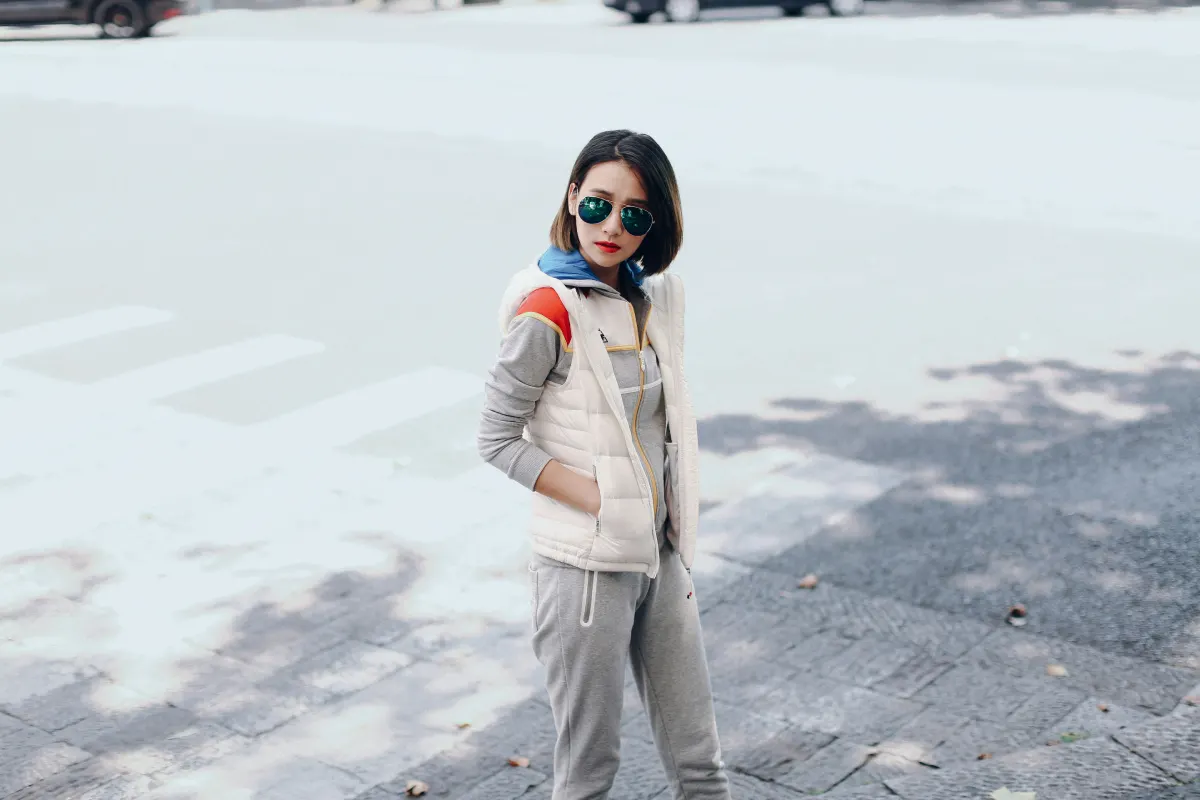
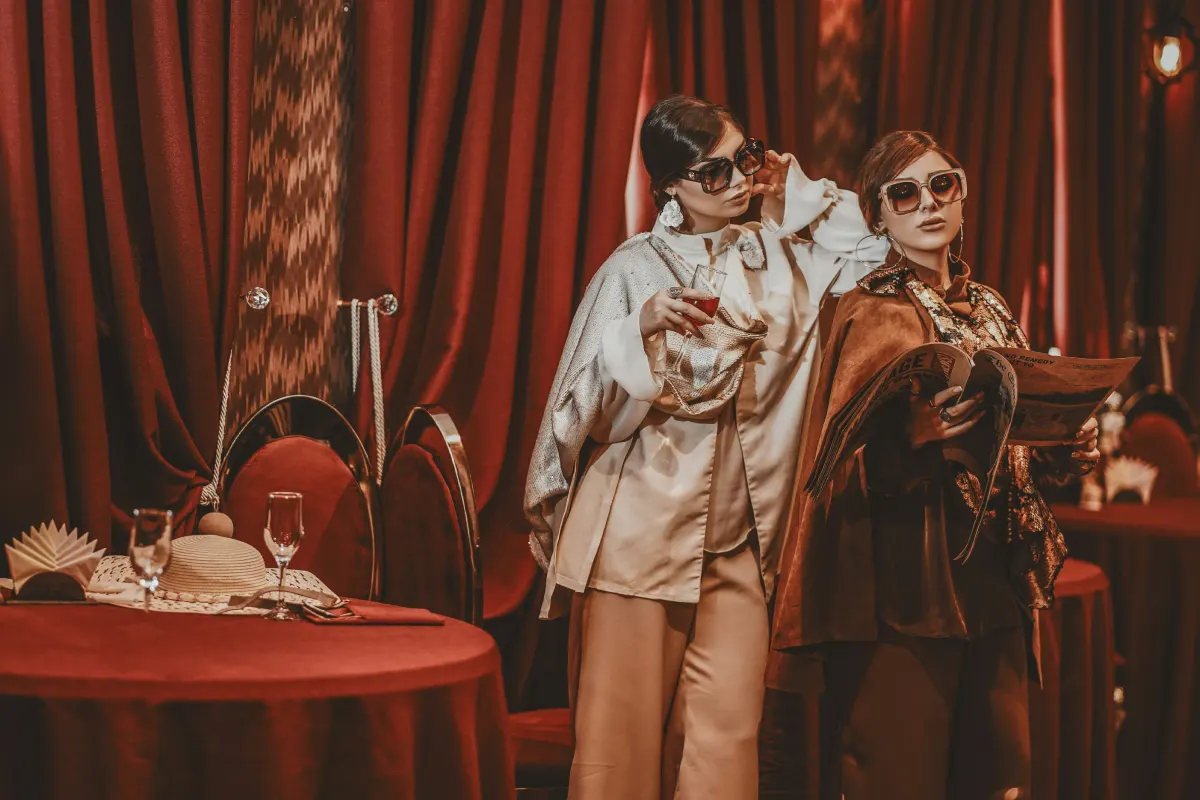
How to Dress Like Gen Z: Practical Style Principles for Modern Fashion

How to Dress Like Gen Z: Practical Style Principles for Modern Fashion

      Comments Off on How to Dress Like Gen Z: Practical Style Principles for Modern Fashion

Dressing like Gen Z does not mean copying every viral outfit or following short-lived fashion trends. Instead, it involves understanding how Generation Z approaches clothing, comfort, identity, and personal expression. In the United States and globally, Gen Z fashion is shaped by flexibility, individuality, and cultural awareness rather than strict style rules.

This guide explains how to dress like Gen Z by focusing on style principles, not trend replication. It is designed for readers who want to understand what Gen Z wears, how Gen Z outfits are built, and how these choices reflect broader lifestyle preferences. Rather than promoting a single look, this article outlines practical frameworks that allow individuals to adopt Gen Z style in a sustainable and authentic way.

What Does It Mean to Dress Like Gen Z?

Dressing like Gen Z is less about specific clothing items and more about how outfits are chosen and combined. Generation Z does not follow a unified dress code. Instead, style decisions are driven by comfort, adaptability, and self-definition.

Gen Z Style as a Flexible System, Not a Fixed Look

Unlike earlier generations, Gen Z does not treat fashion as a linear trend cycle. Clothing choices evolve based on mood, context, and personal values. This flexibility allows individuals to shift between styles such as casual streetwear, vintage-inspired outfits, or minimalist looks without being confined to one category.

Why Gen Z Avoids Strict Fashion Rules

Traditional fashion rules around matching, formality, or seasonal dressing are less influential for Gen Z. Comfort and functionality often outweigh visual uniformity. This approach explains why oversized clothing, layered outfits, and relaxed silhouettes are common in gen z outfits.

Core Principles Behind Gen Z Fashion Choices

Understanding how to dress like Gen Z starts with recognizing the principles that guide Generation Z clothing decisions.

Comfort as a Primary Style Requirement

Comfort is foundational to gen z fashion. Clothing is expected to support daily movement, long hours, and varied environments. Soft fabrics, relaxed fits, and practical layering are preferred over restrictive designs.

Personal Expression Over Trend Loyalty

Gen Z does not feel obligated to follow every fashion trend. Instead, individuals select elements that align with their personality and lifestyle. This selective approach allows gen z style to remain diverse and highly individualized.

Blending Old and New Clothing

Mixing vintage or second-hand items with modern clothing is common. This approach supports sustainability while allowing unique outfit combinations. Dressing like Gen Z often involves repurposing existing wardrobe pieces rather than constant purchasing.

Common Clothing Categories in Gen Z Outfits

While there is no single Gen Z uniform, certain clothing categories frequently appear across gen z outfits due to their versatility and comfort.

Tops: Relaxed Fits and Simple Statements

Oversized t-shirts, hoodies, and lightweight sweatshirts are common. Neutral colors are popular, but graphic elements may be used selectively to reflect personal interests rather than brand status.

Bottoms: Loose Silhouettes and Practical Design

Baggy jeans, straight-leg pants, and relaxed trousers are widely worn. These styles support comfort and movement, aligning with the functional priorities of gen z clothing.

Outerwear: Layering for Function and Style

Light jackets, oversized coats, and adaptable outer layers are often used to complete gen z outfits. Layering allows for seasonal flexibility without requiring major wardrobe changes.

How Gen Z Builds Outfits for Everyday Life

Dressing like Gen Z involves understanding how outfits are assembled rather than copying individual items.

Outfit Construction Based on Daily Needs

Gen Z outfits are often built around daily routines rather than specific occasions. Clothing that transitions easily between school, work, social settings, and travel is valued.

Repetition Without Stigma

Wearing the same outfits multiple times is widely accepted among Gen Z. Repetition supports sustainability and reduces pressure to constantly update wardrobes.

Styling Through Proportion, Not Decoration

Rather than heavy accessories or embellishments, Gen Z styling often relies on proportion, layering, and silhouette balance. Oversized tops may be paired with relaxed bottoms to create cohesion.

How to Dress Like Gen Z Without Overfollowing Trends

Adopting Gen Z style does not require constant trend monitoring. Instead, it involves mindful adaptation.

Choosing Trends Selectively

Gen Z may adopt elements of a trend without fully committing to it. For example, incorporating a specific color or silhouette rather than recreating an entire trending outfit.

Avoiding Overconsumption

Many Gen Z consumers are cautious about excessive purchasing. Building a flexible wardrobe with reusable pieces aligns more closely with gen z fashion values than frequent trend-driven shopping.

Focusing on Longevity Over Virality

Trends driven by social media can be short-lived. Dressing like Gen Z involves recognizing which elements have long-term value and which are purely temporary.

Dressing Like Gen Z Across Different Settings

Gen Z fashion adapts easily across environments due to its emphasis on comfort and versatility.

Casual and Everyday Wear

Casual outfits dominate gen z clothing choices. Comfortable tops, relaxed pants, and practical footwear are common for daily activities.

Social and Going-Out Outfits

For social settings, Gen Z outfits may include layered looks, statement accessories, or elevated basics. However, comfort remains a priority even in more expressive outfits.

Work and Study Environments

In work or academic settings, Gen Z often blends casual and structured elements. Relaxed trousers paired with simple tops or lightweight outerwear allow for professionalism without rigidity.

How Gen Z Style Differs From Other Generations

Understanding generational differences helps clarify how to dress like Gen Z without confusion.

Gen Z vs Millennial Fashion Approaches

Millennial fashion trends often emphasized coordination and polished aesthetics. Gen Z style prioritizes experimentation, comfort, and authenticity over visual consistency.

Changing Attitudes Toward Fashion Authority

Gen Z relies less on designers or fashion institutions and more on peer influence and digital communities. This decentralization shapes how gen z clothing trends emerge and fade.

Global Influence and Cultural Adaptation of Gen Z Style

Although this guide focuses on the USA, gen z fashion principles apply globally.

Shared Digital Culture Across Regions

Global social platforms allow Gen Z worldwide to share style ideas instantly. While regional variations exist, core principles such as comfort and self-expression remain consistent.

Local Adaptation of Global Trends

Gen Z adapts global fashion ideas to local climates, cultures, and social norms. This adaptability ensures relevance across different regions without enforcing uniformity.

Building a Gen Z-Inspired Wardrobe Over Time

Rather than replacing an entire wardrobe, Gen Z style can be adopted gradually.

Start With Versatile Basics

Neutral, comfortable basics provide a foundation for experimentation. These items can be combined with trend-driven pieces when desired.

Evaluate Clothing Based on Use, Not Image

Gen Z evaluates clothing based on how often it is worn and how it supports daily life. This functional mindset helps maintain a balanced wardrobe.

Allow Style to Evolve Naturally

Dressing like Gen Z does not require a final destination. Style evolves alongside personal growth, preferences, and lifestyle changes.

Why Gen Z Style Resonates Beyond Generation Z

Gen Z fashion principles are influencing broader fashion culture.

Appeal of Comfort and Authenticity

Many consumers across age groups are adopting gen z clothing principles due to increased focus on comfort and practicality.

Long-Term Impact on Fashion Norms

As Generation Z continues to shape consumer behavior, their approach to style is likely to influence fashion design, retail strategies, and sustainability standards worldwide.

Frequently Asked Questions

What does Gen Z wear on a daily basis?

Gen Z typically wears comfortable, versatile clothing such as relaxed tops, loose-fitting pants, and practical outerwear that supports everyday activities.

How can someone dress like Gen Z without copying trends?

By focusing on comfort, fit, and personal expression rather than recreating viral outfits, individuals can adopt Gen Z style principles sustainably.

Is Gen Z fashion the same worldwide?

While regional differences exist, Gen Z fashion globally shares common principles such as adaptability, individuality, and comfort.

Do Gen Z outfits require expensive brands?

No. Gen Z often prioritizes second-hand clothing, unbranded items, and functional pieces over expensive labels.

How is Gen Z style different from Millennial fashion?

Gen Z style emphasizes experimentation and flexibility, while Millennial fashion often focused on coordination and minimalism.

Can older generations dress like Gen Z?

Yes. Gen Z fashion principles are not age-specific and can be adapted by anyone seeking comfort-driven, expressive style choices.

Final Takeaway

Dressing like Gen Z is not about following trends or copying outfits. It is about adopting a flexible, comfort-focused approach to clothing that prioritizes personal expression and practical use. By understanding the principles behind gen z fashion, individuals can build wardrobes that feel authentic, adaptable, and sustainable—regardless of age or location.

Gen Z Outfits Explained: How Young Americans Build Everyday Looks

Gen Z Outfits Explained: How Young Americans Build Everyday Looks

      Comments Off on Gen Z Outfits Explained: How Young Americans Build Everyday Looks

Gen Z outfits reflect a broader change in how clothing is selected, combined, and worn in everyday life. Rather than following fixed styling rules or seasonal trend lists, many young people approach outfits as flexible systems built around comfort, identity, and daily function. In the United States, Gen Z clothing choices are shaped by digital culture, shifting social values, and a strong preference for individuality over uniform appearance.

This article explains how gen z outfits are put together, focusing on the underlying logic behind everyday looks rather than prescriptive styling advice. By examining how clothing items are selected, combined, and adapted across contexts, it becomes easier to understand why Generation Z dresses the way it does—and how these outfit choices differ from earlier fashion norms.

What Defines a Gen Z Outfit?

A gen z outfit is not defined by a single aesthetic or trend. Instead, it is characterized by adaptability and personal interpretation. Clothing items are chosen based on how they fit into daily routines, social environments, and individual preferences rather than strict fashion guidelines.

Gen Z outfits often combine casual and expressive elements. Comfort plays a central role, but visual expression is equally important. This balance allows outfits to shift easily between settings such as school, work, social gatherings, and online presence without requiring complete wardrobe changes.

The Logic Behind How Gen Z Builds Everyday Outfits

Understanding gen z outfit ideas requires looking at decision-making patterns rather than isolated clothing pieces.

Comfort as the Foundation of Outfit Choices

Comfort is a starting point for most gen z outfits. Loose silhouettes, breathable fabrics, and flexible layering are commonly prioritized. This does not indicate a lack of interest in appearance, but rather a redefinition of what wearable fashion means in daily life.

Function Before Formality

Many gen z outfits are designed to serve multiple purposes throughout the day. Clothing that can transition from casual settings to social environments without adjustment is favored. This practical mindset influences choices such as oversized tops, relaxed pants, and versatile footwear.

Personal Expression Over Standardized Style

Gen Z clothing style values individuality. Outfit combinations are often guided by mood, identity, or cultural references rather than conformity. This results in varied looks even among people wearing similar clothing categories.

Core Clothing Categories Used in Gen Z Outfits

Rather than complete ensembles, Gen Z outfits are built from interchangeable clothing categories that can be mixed and reused.

Tops as Expression Pieces

Graphic t-shirts, simple shirts, and layered tops often serve as the focal point of gen z outfits. These items are used to communicate interests, aesthetics, or cultural references without relying on elaborate styling.

Bottoms Focused on Fit and Movement

Baggy jeans, relaxed trousers, joggers, and flexible skirts are common in gen z clothing choices. Fit is prioritized over structure, allowing ease of movement and long wearability.

Footwear as a Practical Anchor

Shoes in gen z outfits are selected for everyday use rather than occasion-specific styling. Comfort, durability, and versatility influence footwear choices more than trend alignment.

How Gen Z Outfit Ideas Are Formed

Gen z outfit ideas are shaped through observation, experimentation, and repetition rather than formal fashion guidance.

Influence of Digital Platforms

Online platforms play a major role in how gen z outfits are conceptualized. Instead of copying complete looks, individuals often adopt individual elements—such as silhouettes or layering techniques—and adapt them to personal wardrobes.

Peer Inspiration Over Professional Styling

Gen Z draws inspiration from peers rather than fashion authorities. Everyday outfits seen in real-life contexts feel more achievable and relevant than professionally styled images.

Trial, Adaptation, and Reuse

Outfits are rarely fixed. Gen Z frequently reuses clothing items in different combinations, refining their personal style over time. This iterative approach contributes to sustainable wardrobe habits.

Gen Z Outfits Across Different Everyday Contexts

Gen z outfits vary depending on environment, but core principles remain consistent.

Casual Daily Outfits

For everyday activities, gen z outfits often include relaxed tops, comfortable bottoms, and practical footwear. These combinations prioritize ease without sacrificing personal expression.

School, College, and Work-Appropriate Looks

In educational or work environments, gen z outfits adapt through subtle adjustments rather than formal transformations. Layering, neutral colors, or structured accessories help align casual clothing with setting expectations.

Social and Going-Out Outfits

Social gen z outfits may feature bolder elements, such as statement tops or layered accessories. However, comfort and familiarity with clothing remain central, avoiding overly restrictive designs.

How Gen Z Approaches Outfit Repetition

Outfit repetition is widely accepted within Gen Z culture. Wearing similar clothing combinations multiple times is viewed as practical and responsible rather than unfashionable.

This mindset reduces pressure to constantly update wardrobes and supports sustainable clothing habits. Repetition also reinforces personal style consistency, making outfits recognizable extensions of identity.

Gender-Neutrality in Gen Z Outfit Construction

Many gen z outfits are not defined by traditional gender categories. Oversized fits, shared wardrobe items, and neutral silhouettes are common across gen z clothing choices.

This flexibility allows individuals to prioritize fit, comfort, and expression without aligning outfits strictly with gendered fashion expectations.

How Gen Z Outfits Differ From Millennial Outfit Logic

Millennial outfit trends often emphasized coordinated sets and polished appearances. Gen Z outfits, by contrast, focus on adaptability and personal meaning.

Where Millennials may have followed specific style formulas, Gen Z treats outfits as evolving combinations that change based on context rather than trend cycles.

Sustainability and Mindful Outfit Building

Sustainability influences how gen z outfits are assembled. Thrifted clothing, resale platforms, and long-term wardrobe planning play important roles in outfit construction.

Rather than chasing novelty, many young people focus on making existing clothing work across multiple outfits. This approach reduces waste and supports ethical consumption.

How to Build Gen Z-Inspired Outfits Without Copying Trends

Adopting gen z outfit ideas does not require following every emerging style.

Focus on Versatile Basics

Choosing adaptable clothing items allows outfits to evolve naturally. Neutral tops, flexible bottoms, and comfortable footwear form the foundation of many gen z outfits.

Experiment Gradually

Small changes—such as adjusting fit or layering—can introduce gen z style principles without drastic wardrobe overhauls.

Prioritize Authenticity

Gen Z fashion values authenticity over imitation. Outfits should reflect personal routines and preferences rather than trend pressure.

The Broader Impact of Gen Z Outfits on Fashion Norms

Gen Z outfits have influenced how the fashion industry thinks about daily wear. Brands increasingly design clothing that supports flexibility, comfort, and long-term use.

This shift reflects broader changes in consumer expectations, where clothing is expected to adapt to real life rather than idealized scenarios.

Frequently Asked Questions About Gen Z Outfits

What defines a Gen Z outfit?

A Gen Z outfit is defined by comfort, adaptability, and personal expression rather than strict fashion rules or coordinated styling.

How do Gen Z outfits differ from traditional fashion outfits?

Gen Z outfits prioritize function and individuality, often blending casual and expressive elements without formal structure.

Are Gen Z outfits trend-driven?

Trends influence Gen Z outfits, but most individuals adapt trends selectively rather than following complete trend-based looks.

Why is comfort important in Gen Z outfits?

Comfort supports daily flexibility and long wearability, aligning clothing choices with modern lifestyles and values.

Do Gen Z outfits follow gender-specific rules?

Many Gen Z outfits are gender-neutral, focusing on fit and expression instead of traditional gender categories.

Final Thoughts

Gen Z outfits reflect a practical, expressive approach to everyday clothing. By focusing on comfort, flexibility, and personal meaning, Generation Z has reshaped how outfits are constructed and worn. Rather than following rigid style systems, Gen Z continues to redefine fashion as an adaptable part of daily life—one that reflects identity as much as appearance.